Strait of Hormuz: Navigating Geopolitical Tensions
The Strait of Hormuz remains a flashpoint of international tensions, with potential blockades threatening global oil supply. Explore the historical context, current dynamics, and future implications for global energy markets.
Introduction
The Strait of Hormuz is once again at the center of global geopolitical tensions, as discussions around potential naval blockades intensify. This strategic chokepoint is critical for the global oil supply, making it a focal point of international diplomacy and military strategy.
Background/Context
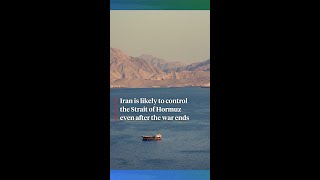
The Strait of Hormuz has long been a significant maritime passage, connecting the Persian Gulf with the Gulf of Oman and the Arabian Sea. Historically, it has been a crucial route for oil exports from Middle Eastern countries to international markets. According to the U.S. Energy Information Administration, about 20% of the world's petroleum passes through the Strait, highlighting its strategic importance.
The geopolitical significance of the Strait of Hormuz can be traced back to the Iran-Iraq War in the 1980s, where the passage became a theater of conflict. Over the decades, tensions have periodically flared, with issues ranging from territorial disputes to sanctions and military posturing.
Current Situation
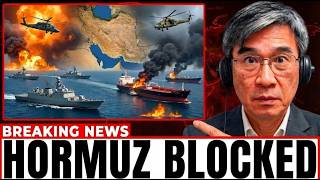
Currently, the Strait of Hormuz is witnessing heightened tensions, with reports suggesting potential naval blockades being discussed as a response to failed diplomatic talks. As reported by major news outlets, the possibility of blockades has raised concerns about disruptions to global oil supplies, which can have far-reaching economic impacts.
Industry sources indicate that any blockade could lead to a significant spike in oil prices, affecting economies worldwide. The strategic positioning of naval forces from multiple nations underscores the ongoing importance of the Strait in global security dynamics.
Deep Analysis
The underlying causes of the tensions in the Strait of Hormuz are multifaceted, involving historical grievances, economic interests, and military strategies. The power dynamics between regional players like Iran and global powers such as the United States play a critical role in shaping the current situation.
Analysts suggest that the control of the Strait is not just about oil but also about asserting regional dominance. The strategic deployment of naval forces by various countries is a demonstration of power and a deterrent against potential adversaries. This complex interplay of interests makes the situation highly volatile and subject to rapid changes.
Impact/Outlook
The potential for a naval blockade in the Strait of Hormuz poses both short-term and long-term challenges. In the short term, any disruption in oil flow could lead to immediate economic repercussions, including increased energy costs and market volatility.
In the long term, persistent tensions could lead to a reconfiguration of global energy routes and alliances. Countries heavily dependent on Middle Eastern oil might seek alternative sources or invest in renewable energy to mitigate risks, fundamentally altering the global energy landscape.
Practical Implications
For policymakers and businesses, understanding the dynamics of the Strait of Hormuz is crucial for strategic planning. Diversifying energy sources, investing in renewable technologies, and developing contingency plans for supply chain disruptions are practical steps that can be taken to mitigate risks.
For individuals, staying informed about global energy trends and potential geopolitical flashpoints can aid in making informed decisions about investments and consumption patterns.
Key Takeaways
- The Strait of Hormuz is a critical chokepoint for global oil supply, with significant geopolitical implications.
- Historical tensions and current military posturing underscore the strategic importance of the region.
- Potential naval blockades could disrupt global oil markets, leading to economic volatility.
- Understanding the interplay of regional and global powers is essential for navigating future scenarios.
- Diversification of energy sources and investment in renewables are practical strategies to mitigate risks.
- Staying informed about geopolitical developments is crucial for policymakers, businesses, and individuals.