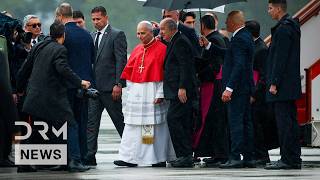
Pope's Africa Tour: Impact on Global Catholicism
Pope Leo XIV's recent tour of Africa underscores the continent's growing significance in the Catholic Church. As the fastest-growing Catholic region, Africa's influence on global religious dynamics is profound, requiring a closer look at the implications of this pivotal visit.
Introduction
Pope Leo XIV's recent tour of Africa highlights the continent's critical role in the future of the Catholic Church. This visit comes at a time when Africa is experiencing exponential growth in Catholicism, making it a focal point for the Church's global strategy.
Historical Context
The Catholic Church has a long history in Africa, dating back to the early centuries of Christianity. However, it was not until the 20th century that Catholicism began to flourish across the continent, largely due to missionary efforts and the increasing recognition of African cultural identities within the Church.
According to historical records, the Second Vatican Council in the 1960s marked a significant turning point, encouraging localization of church practices and empowering African clergy. This shift laid the groundwork for today's vibrant and rapidly expanding Catholic communities across Africa.
Current Situation
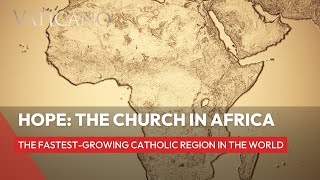
Data from the Vatican indicates that Africa is currently the fastest-growing region for Catholicism, with millions of new adherents each year. This growth is driven by factors such as high birth rates and the Church's active role in education and social services.
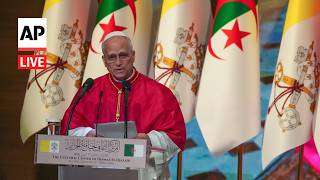
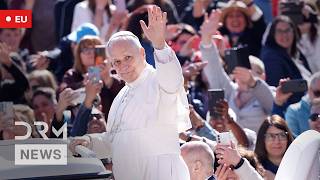
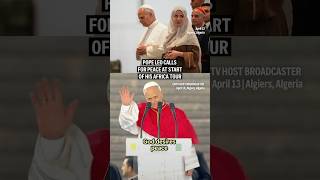
During his visit, Pope Leo XIV emphasized themes of peace, social justice, and interfaith dialogue, which resonate deeply in regions affected by conflict and poverty. According to reports, his speeches and engagements were met with enthusiasm by both religious leaders and laypeople.
Deep Analysis
Several underlying factors contribute to the Church's expansion in Africa. These include the continent's youthful population and the Church's alignment with local values and traditions. Moreover, the Church's involvement in addressing pressing social issues, such as education and healthcare, enhances its appeal.
However, challenges remain. The Catholic Church faces competition from other religious movements, including Pentecostal and evangelical churches, which are also gaining ground. Additionally, the Church must navigate complex political landscapes while maintaining its moral authority.
Impact and Outlook
In the short term, Pope Leo XIV's visit is expected to strengthen the Catholic Church's influence in Africa and foster greater collaboration with local communities. Long-term projections suggest that Africa could become a central hub for global Catholicism, with African leaders playing a more prominent role in the Church's hierarchy.
Experts suggest that the Church's future success in Africa will depend on its ability to adapt to changing cultural contexts and to continue addressing the socio-economic needs of its adherents.
Practical Implications
For the Catholic Church, this tour serves as a call to action to deepen its engagement in Africa through sustainable initiatives and inclusive dialogues. For African communities, there is an opportunity to leverage the Church's resources for development and integration with global Catholic networks.
Stakeholders are encouraged to focus on building resilient church structures that can withstand social and political pressures while promoting peace and understanding.
Key Takeaways
- Pope Leo XIV's Africa tour highlights the continent's growing importance in Catholicism.
- Africa's Catholic population is rapidly increasing, driven by high birth rates and social outreach.
- The Church's success hinges on its ability to integrate local traditions and address community needs.
- Competition from other religious movements presents ongoing challenges.
- Africa's role in the Catholic Church is poised to expand, influencing global religious dynamics.
- Practical engagement in local issues is crucial for the Church's sustained influence.
- Long-term, Africa could become a central hub for global Catholicism.