Mine Clearance in Strait of Hormuz: A Critical Analysis
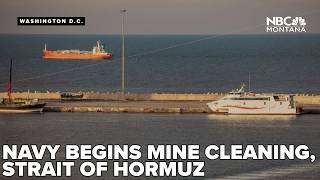
The U.S. Forces have initiated a mine clearance mission in the Strait of Hormuz, a vital global maritime passage. This article delves into the geopolitical significance, operational challenges, and potential impact of this mission, providing expert insights into its broader implications.
Introduction
The U.S. Forces have embarked on a critical mine clearance mission in the Strait of Hormuz, a vital artery in global maritime logistics. This operation holds significant geopolitical weight, influencing energy supply routes and international security dynamics.
Background/Context
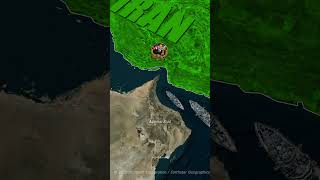
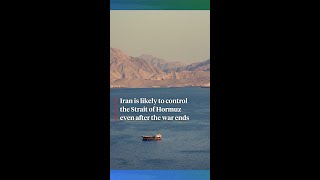
The Strait of Hormuz is one of the world's most strategically important chokepoints, with about 20% of the world's petroleum passing through it, according to the U.S. Energy Information Administration. Historically, the strait has been a focal point of geopolitical tensions, involving key global powers and regional actors.
Past incidents, such as the Iran-Iraq War in the 1980s and ongoing regional rivalries, have underscored the strait's vulnerability to disruptions. The current mine clearance mission is part of broader efforts to secure this crucial passageway.
Current Situation
As of April 11, 2026, U.S. Central Command has initiated operations to clear mines in the Strait of Hormuz, employing two guided-missile destroyers. According to CENTCOM, this operation aims to ensure the free flow of maritime traffic and safeguard international trade routes.
Industry sources indicate that the operation is being closely monitored by global shipping companies and energy markets due to its potential impact on oil prices and shipping schedules.
Deep Analysis
The mine clearance mission in the Strait of Hormuz is driven by several strategic imperatives. Firstly, it aims to mitigate the risk of maritime disruptions that could destabilize global oil markets. Secondly, it serves as a demonstration of military readiness and deterrence in a region marked by persistent geopolitical tensions.
Stakeholders, including the U.S. and its allies, are keenly aware of the implications of any disruptions in the strait. The operation reflects a complex interplay of power dynamics, involving not only immediate regional actors such as Iran but also broader global interests.
Impact/Outlook
In the short term, successful mine clearance is expected to stabilize shipping routes and reassure markets. However, the operation's long-term implications depend on broader geopolitical developments, including U.S.-Iran relations and regional stability.
Expert analysis suggests that the mission could either enhance regional security cooperation or exacerbate tensions, depending on subsequent diplomatic engagements and military postures.
Practical Implications
For policymakers and industry leaders, the mine clearance mission underscores the importance of proactive security measures and contingency planning. Stakeholders should prioritize diplomatic efforts to address underlying tensions while investing in maritime safety technologies.
Shipping companies and traders are advised to monitor developments closely and adjust their risk management strategies accordingly.
Key Takeaways
- The Strait of Hormuz is a critical chokepoint for global oil supply, making its security paramount.
- U.S. mine clearance operations highlight ongoing geopolitical tensions in the region.
- Successful clearance could stabilize markets, but long-term outcomes depend on broader diplomatic dynamics.
- Stakeholders should prepare for potential disruptions and invest in safety and risk management.
- International cooperation is crucial to maintaining the security of strategic maritime passages.