Nepal's Political Turmoil: Arrests and Protests
Explore the recent arrests of Nepal's former leaders amidst ongoing political unrest. Understand the historical context, current tensions, and future implications for Nepal's democracy.
Introduction
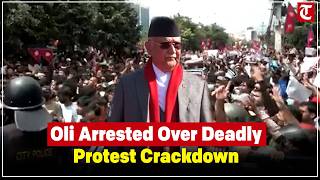
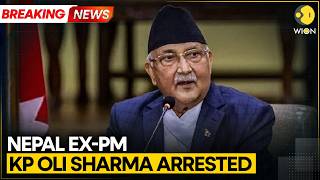
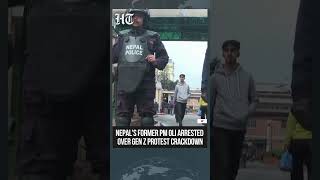
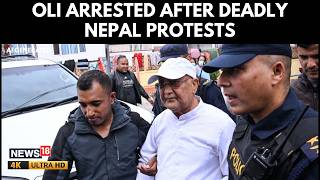
Nepal's political landscape is facing heightened tensions following the arrest of former Prime Minister Khadga Prasad Oli. This development is significant due to the ongoing protests and the implications for Nepal's democratic future.
Background/Context
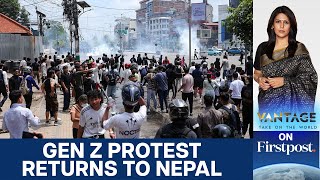
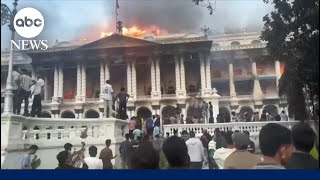
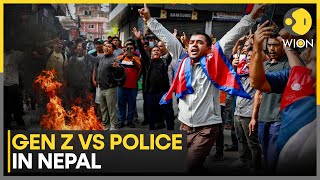
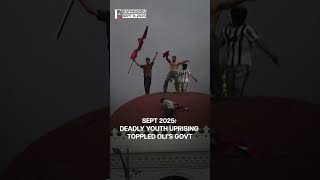
Nepal has a tumultuous political history marked by frequent shifts in power and governance challenges. The recent arrests stem from violent protests that occurred in September, which were a reaction to political instability and governance issues. Historically, Nepal has struggled with maintaining stable democratic institutions due to its complex socio-political fabric.
The country's journey to democracy has been fraught with challenges, including a decade-long civil conflict that ended in 2006. Since then, Nepal has transitioned from a monarchy to a federal democratic republic, but the path has been rocky, with multiple changes in government and political alliances.
Current Situation
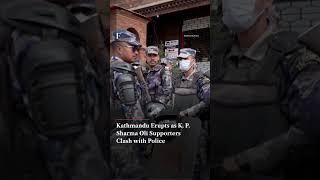
As of now, Nepal is witnessing significant unrest with the arrest of former leaders, including Khadga Prasad Oli. According to reports, these arrests are linked to the deaths of protesters during the September demonstrations. The protests were against the then-government's policies and are indicative of the volatile political climate.
Data from human rights organizations indicate that the protests led to numerous casualties and injuries, further exacerbating public dissatisfaction. The arrests have sparked fresh protests, with citizens demanding accountability and justice for those affected during the September events.
Deep Analysis
The root causes of Nepal's current political turmoil can be traced back to systemic issues within its governance structure. The power dynamics between political parties, coupled with deep-seated corruption, have hindered effective governance. Stakeholders such as political parties, civil society groups, and international observers play critical roles in shaping the country's political discourse.
Furthermore, the arrests highlight the tension between political leaders and the judiciary, with implications for the separation of powers in Nepal. Experts suggest that the current situation is a manifestation of unresolved political rivalries and the struggle for power among key political figures.
Impact/Outlook
In the short term, the arrests are likely to escalate tensions and lead to more protests. This unrest could impact Nepal's tourism and economy, which are already vulnerable due to the pandemic. In the long term, the political instability may deter foreign investment and affect Nepal's international relations.
Projections indicate that unless there is a concerted effort for dialogue and reconciliation, Nepal may face prolonged political instability. According to political analysts, a stable democracy in Nepal requires structural reforms and a genuine commitment to democratic principles by all political stakeholders.
Practical Implications
For Nepalese citizens and policymakers, understanding the importance of transparent governance and accountability is essential. Engaging in constructive dialogue and fostering a culture of political tolerance can help mitigate conflicts.
For international observers and partners, supporting democratic processes and providing platforms for dialogue can contribute to stability. Encouraging Nepal's leaders to uphold human rights and democratic norms is crucial for long-term peace and development.
Key Takeaways
- Nepal's political instability is rooted in historical governance challenges and current power struggles.
- The recent arrests of former leaders highlight ongoing tensions and demand for justice.
- Short-term impacts include potential economic downturns and increased public unrest.
- Long-term stability requires structural reforms and adherence to democratic principles.
- Constructive dialogue among stakeholders is essential for resolving conflicts.
- International support for democratic processes can aid Nepal's political transition.
- Understanding the socio-political context is key to fostering sustainable peace in Nepal.