Japan Rethinks Pacifism Amid Rising Tensions
Japan is reconsidering its pacifist stance after 80 years, driven by geopolitical tensions and domestic pressures. This article analyzes the historical context, current debates, and potential implications of Japan's shift towards increased defense spending.
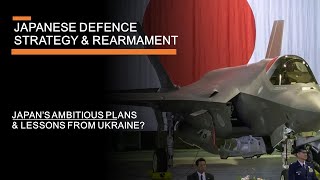
Introduction
Japan is re-evaluating its longstanding pacifist policies amid growing geopolitical tensions, sparking debates on the future of its defense strategy.
Historical Context: Japan's Pacifism
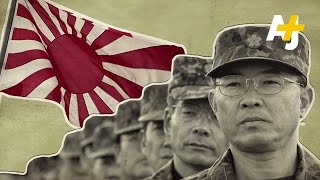
Since the end of World War II, Japan has adhered to a pacifist constitution, particularly Article 9, which renounces war as a means of settling international disputes. This commitment was largely influenced by the devastation of the war and the subsequent occupation by Allied forces, which led to the drafting of a new constitution under U.S. supervision.
Over the decades, Japan's pacifist stance has been a cornerstone of its national identity, fostering economic growth and diplomatic relations based on peace and cooperation. However, the regional security landscape has changed significantly, bringing new challenges and pressures.
Current Situation: Rising Geopolitical Tensions
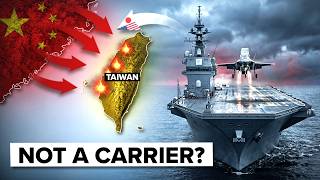
Japan's reconsideration of its pacifist stance is primarily driven by increasing threats from neighboring countries, particularly China's military expansion and North Korea's missile tests. According to Japan's Ministry of Defense, the number of scrambles by Japan's Air Self-Defense Force to intercept foreign aircraft has been rising, indicating heightened regional tensions.
Additionally, Japan's reliance on the United States for security has come under scrutiny, as shifts in U.S. foreign policy under different administrations have raised concerns about the reliability of American support in times of crisis.
Deep Analysis: Underlying Causes and Stakeholder Dynamics
Japan's shift towards a more assertive defense posture is influenced by both external and internal factors. Externally, the aggressive postures of China and North Korea have compelled Japan to reassess its security strategy. Internally, there is a growing sentiment among Japanese citizens and policymakers that a stronger defense capability is necessary to protect national interests.
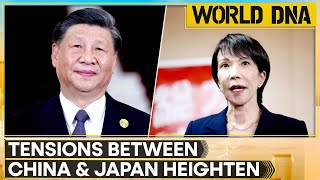
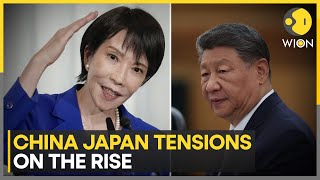
Prime Minister Sanae Takaichi has been a vocal advocate for increasing Japan's defense budget, arguing that a more robust military will serve as a deterrent against potential threats. However, this perspective is met with resistance from pacifist groups and political factions wary of straying too far from Japan's post-war principles.
Impact and Outlook: Short-term and Long-term Scenarios
In the short term, Japan is expected to gradually increase its defense spending, with potential plans to acquire advanced military technology and enhance its self-defense capabilities. This shift is likely to influence Japan's diplomatic relations, particularly with countries that have historically supported its pacifist stance.
In the long term, Japan's reevaluation of its pacifist policies could lead to a significant transformation in its role on the global stage. As Japan becomes more involved in regional security matters, it may seek to redefine its alliances and partnerships, balancing its historical commitments with contemporary security needs.
Practical Implications: Strategic Recommendations
For policymakers and defense analysts, understanding Japan's evolving defense strategy is crucial for assessing regional security dynamics. Engaging in dialogue with Japanese counterparts can provide insights into the country's strategic priorities and potential areas for collaboration.
For businesses, particularly those in the defense and technology sectors, Japan's increased defense spending presents opportunities for partnerships and market expansion. Companies should consider how to align their offerings with Japan's defense needs and regulatory frameworks.
Key Takeaways
- Japan's reconsideration of pacifism is driven by regional threats and domestic pressures.
- Historical context and Article 9 have defined Japan's post-war identity and policies.
- Rising geopolitical tensions, particularly from China and North Korea, are influencing policy changes.
- Prime Minister Takaichi is a key proponent of increasing defense spending.
- Japan's shift may redefine its global role and alter diplomatic relations.
- Opportunities exist for businesses in defense-related sectors to engage with Japan's evolving strategy.