Iran War Intensifies: U.S. Troop Movements Explained
As tensions in the Middle East escalate, the deployment of over 3,500 U.S. troops has raised global concern. This article delves into the strategic implications, historical context, and potential outcomes of the ongoing Operation Epic Fury.
Introduction
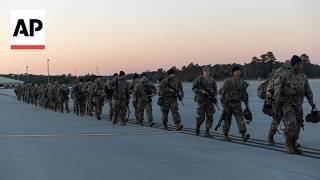
With the intensifying conflict in the Middle East, the recent deployment of more than 3,500 U.S. troops is a pivotal move in the ongoing Operation Epic Fury. The operation has already seen over 11,000 targets struck, raising concerns and questions about future geopolitical stability.
Background/Context
The roots of the current conflict can be traced back to long-standing tensions between Iran and the United States, exacerbated by Iran's nuclear ambitions and regional influence. Historically, U.S.-Iran relations have been fraught with challenges, from the 1979 Iranian Revolution to the more recent withdrawal from the Joint Comprehensive Plan of Action (JCPOA).
The Operation Epic Fury, initiated in late February 2026, marks a significant military escalation. According to U.S. Central Command, the operation aims to curb Iran's destabilizing activities and protect allied interests in the region.
Current Situation
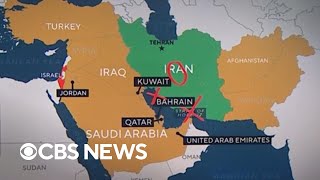
As of now, the deployment of U.S. forces is primarily focused on strategic locations within the Middle East to counteract Iranian influence. The Pentagon reports that these troops are supporting airstrikes and ground operations that have targeted critical Iranian infrastructure and military assets.
Industry sources indicate that this deployment is one of the largest in recent years, underscoring the seriousness of the situation. The U.S. military's presence is expected to deter further Iranian aggression while supporting regional allies.
Deep Analysis
The underlying causes of this military buildup are complex. Iran's recent missile tests and support for proxy groups across the region have heightened tensions. Additionally, the geopolitical landscape is further complicated by Russia's reported support for Iran, creating a multi-layered conflict dynamic.
Stakeholder dynamics play a crucial role, with European allies urging diplomatic solutions while the U.S. administration maintains a hardline stance. The power structures within Iran, including the Revolutionary Guard's influence, add another layer of complexity to potential resolutions.
Impact/Outlook
In the short term, the presence of U.S. troops is likely to stabilize certain regions but may also provoke further hostilities from Iran. In the long term, experts suggest that without a diplomatic breakthrough, the cycle of escalation could continue, impacting global oil markets and regional security.
According to analysts, the success of Operation Epic Fury hinges on diplomatic efforts aligning with military objectives, a balance that has proven elusive in past conflicts.
Practical Implications
For policymakers, the current situation underscores the importance of comprehensive strategic planning that incorporates both diplomatic and military tools. Businesses operating in the region are advised to monitor developments closely, considering potential disruptions to supply chains and market stability.
For individuals, understanding the broader geopolitical context can provide insight into potential economic impacts, such as fluctuations in energy prices and international relations.
Key Takeaways
- The U.S. has deployed over 3,500 troops in response to escalating tensions with Iran.
- Operation Epic Fury has struck over 11,000 targets since its initiation.
- Historical tensions and recent provocations have driven the current conflict dynamics.
- Russia's involvement with Iran complicates the geopolitical landscape.
- The outlook remains uncertain, with potential long-term impacts on global markets.
- Diplomatic efforts must align with military strategies for sustainable peace.
- Businesses and individuals should prepare for potential economic and geopolitical shifts.