Iran Tensions: Analyzing Current U.S. Diplomatic Moves
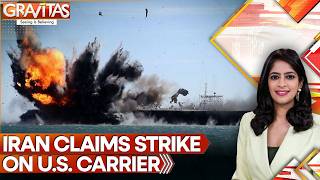
Tensions between Iran and the U.S. are escalating, with Iran warning against a ground assault. This article provides a comprehensive analysis of the current diplomatic dynamics, key stakeholders, and potential outcomes.
Introduction
The strain between Iran and the United States is intensifying, with recent warnings from Tehran against a U.S. ground assault. This article delves into the nuances of the current diplomatic tension and explores the potential implications for international relations.
Background/Context
The history of U.S.-Iran relations is marked by decades of geopolitical tension, dating back to the 1979 Iranian Revolution and the subsequent U.S. embassy hostage crisis. The relations further soured with Iran's nuclear program, leading to international sanctions and diplomatic isolation.
In recent years, the 2015 Joint Comprehensive Plan of Action (JCPOA) sought to limit Iran's nuclear capabilities in exchange for sanctions relief. However, the U.S. withdrawal from the agreement in 2018 under President Trump reignited hostilities, leading to a series of confrontations and diplomatic standoffs.
Current Situation
According to recent reports, Iran's Revolutionary Guard has openly threatened U.S. interests, including universities in the region, in response to perceived aggression. Tehran has warned that its forces are 'waiting' for U.S. ground troops, suggesting a readiness for conflict.
Diplomatic channels remain active, with the U.S. reportedly holding talks with Iranian officials like Mohammad Bagher Ghalibaf. These discussions indicate a complex interplay of military posturing and diplomatic negotiation.
Deep Analysis
The current tensions are underpinned by several factors, including Iran's strategic regional ambitions and the U.S.'s commitment to maintaining influence in the Middle East. The power dynamics involve multiple stakeholders, including Israel, Saudi Arabia, and the European Union, each with vested interests in the outcome.
Iran's threats could be seen as a strategic maneuver to consolidate internal power and project strength. Conversely, the U.S. faces domestic and international pressure to manage the situation without escalating to full-scale conflict.
Impact/Outlook
Short-term scenarios could involve heightened military alertness and increased diplomatic exchanges. Long-term outcomes depend on the U.S.'s ability to balance sanctions, military presence, and diplomatic efforts.
Industry sources indicate potential disruptions in global oil markets, given Iran's strategic location affecting shipping routes. This could lead to fluctuating oil prices, impacting global economies.
Practical Implications
For policymakers, maintaining open communication channels is crucial to avoid misunderstandings that could lead to conflict. Businesses, particularly in the energy sector, should prepare for market volatility through strategic hedging and diversification.
Individuals in regions affected by these tensions might consider contingency plans for security and financial stability.
Key Takeaways
- U.S.-Iran relations remain fraught with historical and geopolitical complexities.
- Recent threats by Iran highlight the potential for military escalation.
- Diplomatic talks continue, offering a possible avenue for de-escalation.
- Global economic impacts, particularly on oil markets, could be significant.
- Stakeholders should consider both short-term reactions and long-term strategies.