Measles Outbreak: What You Need to Know Now
A recent measles exposure at a Safeway in Portland has health officials on high alert. This article delves into the implications of the outbreak, providing insights on prevention, historical context, and the potential impact on public health.
Introduction
The recent confirmation of measles exposure at a Safeway in Portland has raised significant concerns among public health officials and the general public. Understanding the implications of this event is crucial as it highlights ongoing challenges in disease prevention and control.
Background/Context
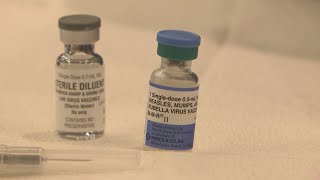
Measles, a highly contagious viral disease, has been a significant public health challenge worldwide. According to the World Health Organization, measles outbreaks have been largely attributed to gaps in vaccination coverage. Historically, the United States had achieved measles elimination in 2000, but recent years have seen a resurgence in cases due to declining vaccination rates.
In Oregon, the vaccination rate has been a point of concern. The state's exemption laws allow for personal beliefs to influence vaccination decisions, which can lead to decreased herd immunity. This context sets the stage for understanding the current situation in Portland.
Current Situation
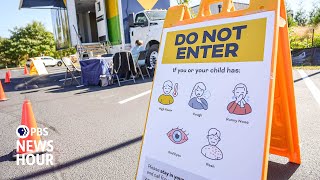
The Oregon Health Authority recently confirmed that individuals who visited the Safeway at 2800 S.E. Hawthorne Blvd. may have been exposed to measles. This announcement has prompted immediate action from health officials who are urging those potentially exposed to monitor for symptoms, which include high fever, cough, runny nose, and a characteristic rash.
Industry sources indicate that the affected Safeway has implemented additional sanitation measures and is cooperating with health officials to identify and notify those at risk. The quick response aims to contain the spread of the virus and prevent further transmission.
Deep Analysis
The underlying causes of this outbreak can be traced to several factors. Firstly, the decline in vaccination rates due to misinformation and vaccine hesitancy has weakened community immunity. Secondly, the increasing mobility of populations means that diseases can spread rapidly across regions.
Stakeholder dynamics play a crucial role in addressing these issues. Public health agencies must collaborate with local businesses, healthcare providers, and community leaders to promote accurate information and encourage vaccination. The power structure within public health policy must be leveraged to implement effective interventions that address both prevention and response.
Impact/Outlook
In the short term, the focus is on containing the current outbreak. Health officials are conducting contact tracing and offering post-exposure prophylaxis to those at risk. However, the long-term outlook requires a systemic approach to increase vaccination rates and combat misinformation.
Evidence-based projections suggest that without significant improvements in vaccination coverage, similar outbreaks may become more frequent. The economic impact of such outbreaks can be substantial, affecting healthcare costs and workforce productivity.
Practical Implications
For individuals, staying informed about vaccination schedules and ensuring that vaccinations are up-to-date is critical. Businesses should develop contingency plans for potential outbreaks and encourage employee vaccination to maintain a healthy workforce.
On a broader scale, public health officials need to enhance communication strategies to counter misinformation and build public trust in vaccines. Engaging with community influencers and using social media effectively can play a vital role in these efforts.
Key Takeaways
- Measles remains a significant public health threat due to declining vaccination rates and increased mobility.
- The recent exposure in Portland underscores the need for vigilance and rapid response.
- Vaccination is the most effective preventive measure against measles outbreaks.
- Collaboration between public health agencies, businesses, and communities is essential to contain and prevent future outbreaks.
- Public education and combating misinformation are critical components in improving vaccination coverage.
- Preparedness plans for businesses can mitigate the economic impact of outbreaks.