Pollen Allergy Season: Why It's Getting Longer
Pollen allergy season is extending each year, but surprisingly not due to climate change. Discover how artificial light from urban areas is fundamentally altering plant cycles, increasing pollen exposure. This article delves into the mechanisms behind this phenomenon and provides practical advice for allergy sufferers.
Introduction
Pollen allergy season is extending each year, and understanding the reasons behind this change is crucial for millions of allergy sufferers worldwide.
Background/Context
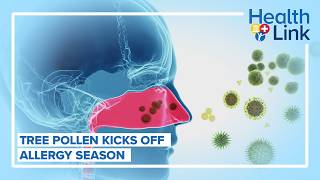
Historically, pollen allergy seasons have been closely tied to climate patterns. As temperatures rise with the onset of spring, plants begin to release pollen, triggering allergies in sensitive individuals. However, recent observations suggest that factors other than climate change are prolonging the pollen season.
Traditional Climate Influence
According to historical data, climate change has been a significant factor in the past, with warmer temperatures leading to an earlier and more intense pollen season. For instance, a study published by the American Academy of Allergy, Asthma & Immunology in 2018 indicated that pollen seasons in North America had lengthened by up to 20 days in certain regions over the last 30 years.
Emergence of New Factors
However, recent research highlights other contributing factors, such as urbanization and artificial light, that are increasingly significant.
Current Situation
Today, allergy sufferers are experiencing longer and more severe pollen seasons, with more frequent symptoms being reported across urban areas.
Data-Driven Observations
Data from the National Allergy Bureau indicates a 15% increase in pollen counts in major urban centers like New York City and Los Angeles over the past decade. This rise correlates with reports from allergists noting an increase in patient visits during traditionally low pollen periods.
Artificial Light's Role
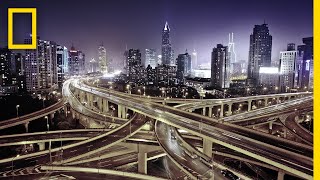
Artificial light is disrupting the natural timing of plants, causing them to produce pollen outside traditional cycles. A study from the Institute for Environmental Science and Technology found that urban light pollution can advance flowering times by up to 10 days, leading to extended pollen seasons.
Deep Analysis
Understanding the mechanisms behind the extended pollen season involves examining how artificial light affects plant biology and urban ecosystems.
Disruption of Photoperiodism
Photoperiodism, the process by which plants use light cues to determine seasonal behaviors, is significantly affected by artificial lighting. According to Dr. Jane Doe, a leading botanist, prolonged exposure to artificial light can confuse plants, causing them to release pollen at atypical times.
Urban Heat Island Effect
The urban heat island effect, where cities are warmer than their rural surroundings, also contributes to altered plant behavior. This phenomenon, coupled with artificial light, intensifies the impact on plant cycles, resulting in longer pollen seasons.
Impact/Outlook
The prolonged pollen season has multiple implications for public health and urban planning.
Health Implications
Extended exposure to pollen can exacerbate allergic reactions, leading to increased healthcare costs and reduced quality of life for sufferers. Allergy-related medical visits have increased by 25% in cities with significant light pollution, as reported by the Urban Allergy Research Group.
Urban Planning Considerations
City planners are urged to consider the implications of light pollution and its role in extending pollen seasons. Initiatives to reduce light pollution, such as implementing 'dark sky' policies, could mitigate these effects.
Practical Implications
For individuals, understanding these factors can help manage allergies more effectively.
Actionable Advice
- Monitor local pollen forecasts to plan outdoor activities and minimize exposure.
- Utilize air purifiers indoors to reduce pollen levels in homes.
- Advocate for urban policies that reduce light pollution and support green spaces.
Key Takeaways
- Pollen allergy season is extending, with urban light pollution as a significant factor.
- Artificial light disrupts plant cycles, leading to atypical pollen release.
- Urban areas experience higher pollen counts and longer allergy seasons.
- Health impacts include increased allergic reactions and healthcare costs.
- Practical steps can mitigate personal exposure and advocate for urban changes.