Autism and Alzheimer’s: Uncovering Surprising Links
Emerging research reveals potential biological links between autism and Alzheimer’s, challenging traditional perceptions in brain science. This article explores these connections, their implications for treatment, and the future of neurological research.

Introduction
Emerging studies suggest surprising biological links between autism and Alzheimer’s disease, two conditions previously thought to be worlds apart. Understanding these connections could revolutionize treatments for both disorders.
Background and Context
Historically, autism and Alzheimer’s have been regarded as distinct conditions. Autism primarily affects social interaction and communication in early childhood, while Alzheimer’s is a form of dementia affecting memory and cognitive function in older adults. Traditional views in neuroscience have maintained a clear divide between the two.
Recent advancements in genetic research and neurobiology, however, are challenging these assumptions. For example, both conditions involve synaptic dysfunctions (problems with the connections between neurons), which suggests a shared underlying mechanism.
Current Situation
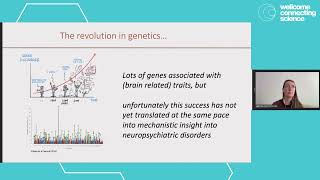
According to recent research published in leading scientific journals, there are overlapping genetic pathways that may contribute to both autism and Alzheimer’s. These findings are based on data from genome-wide association studies (GWAS) that have identified common genetic variants associated with both conditions.
Furthermore, research from the National Institute of Health indicates that certain proteins, such as amyloid and tau, which are known to play a role in Alzheimer's, also exhibit abnormal behavior in some forms of autism. This has led to a surge in cross-disciplinary studies seeking to understand how these proteins might influence neurodevelopmental and neurodegenerative processes.
Deep Analysis
The potential link between autism and Alzheimer’s could be rooted in the concept of neuroplasticity (the brain's ability to reorganize itself). Researchers suggest that both conditions might stem from disruptions in neuroplasticity, impacting how the brain forms and retains connections over a person’s lifetime.
Industry sources indicate that these shared mechanisms might involve mitochondrial dysfunction (issues with the cell's powerhouses) and oxidative stress (an imbalance between free radicals and antioxidants), which have been observed in both conditions. These insights are prompting scientists to reconsider the development of therapeutic strategies that address these commonalities.
Impact and Outlook
The recognition of these links could lead to groundbreaking changes in how both autism and Alzheimer’s are treated. For example, therapies that target synaptic function or neuroplasticity could benefit patients across age groups. In the short term, this could mean repurposing existing drugs used for one condition to treat the other, potentially accelerating therapeutic development.
In the long term, this shift could foster more integrated research initiatives, combining expertise from neurology, psychiatry, and genetics. The potential for such a multidisciplinary approach holds promise for innovative diagnostic and treatment paradigms.
Practical Implications
For families and caregivers, understanding these connections can lead to more informed decisions about care and treatment. Patients could benefit from new interventions that address both the neurodevelopmental and neurodegenerative aspects of their conditions.
On a broader scale, healthcare providers and policymakers might consider developing joint funding initiatives and programs that encompass research and treatment for both conditions, reflecting their intertwined nature.
Key Takeaways
- Emerging research suggests biological links between autism and Alzheimer’s, challenging traditional distinctions in brain science.
- Common genetic pathways and protein behaviors are being studied for potential shared mechanisms between the two conditions.
- Disruptions in neuroplasticity may underlie both autism and Alzheimer’s, offering a new perspective on treatment approaches.
- The potential for integrated therapeutic strategies could change the landscape of care for both conditions.
- Multidisciplinary research and collaboration are crucial for advancing our understanding and treatment of these interconnected disorders.
- Families and healthcare providers can use these insights to make more informed decisions about patient care.