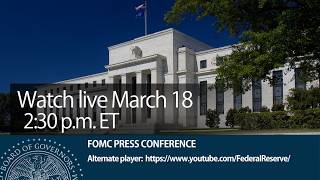
US Stock Futures: Fed Decision and Global Impact
The Federal Reserve's recent decision to hold interest rates steady amid escalating geopolitical tensions and rising inflation has significant implications for global markets. This article delves into the current economic landscape, analyzing the potential short-term and long-term impacts on stock futures and global energy markets.
Introduction
The Federal Reserve's decision to maintain current interest rates amidst geopolitical tensions is a critical event shaping global markets today. Understanding its implications is essential for investors and policymakers.
Background and Context
The Federal Reserve's interest rate decisions have long been a key driver of economic activity. Historically, rate hikes or cuts are used to either curb inflation or stimulate economic growth. The current scenario is complicated by persistent inflationary pressures and geopolitical tensions, specifically the escalating conflict involving Iran.
In previous decades, such as during the 1970s oil crises, geopolitical conflicts similarly led to economic uncertainty and fluctuating energy prices. The Fed's role has always been to strike a balance between economic growth and inflation control.
Current Situation
As reported by Bloomberg, US stock futures have shown varied responses following the Fed's announcement. On the one hand, the decision to keep interest rates unchanged provides a degree of stability. On the other hand, the ongoing conflict in Iran and heightened inflation are causing volatility in global energy markets.
Data from the Federal Reserve indicates that while inflation rates have recently overshot forecasts, the decision to pause rate changes aligns with their long-term strategy of gradual economic adjustment.
Deep Analysis
The decision to hold interest rates steady can be seen as a strategic move by the Fed. By maintaining current rates, the Fed aims to support ongoing economic recovery while monitoring inflation. However, the geopolitical landscape, particularly the conflict involving Iran, adds complexity.
Energy markets are highly sensitive to geopolitical events. According to industry sources, the recent attack on Iran's South Pars gas field has already led to a spike in energy prices. This incident underlines the interconnectedness of geopolitical stability and economic policy.
Impact and Outlook
In the short term, the Fed's decision is expected to provide some stability to US financial markets. However, the ongoing geopolitical tensions could lead to further volatility, particularly in the energy sector.
Looking ahead, if inflation continues to rise, the Fed may have to reconsider its stance on interest rates. Historical precedents suggest that sustained geopolitical tensions could exacerbate market volatility, reinforcing the need for cautious economic policy.
Practical Implications
Investors should remain vigilant and consider diversifying their portfolios to hedge against potential market swings. Engaging with financial advisors to reassess risk tolerance and investment strategies can be beneficial.
Policymakers must continue to monitor global developments closely, adjusting strategies as needed to maintain economic stability while addressing inflation concerns.
Key Takeaways
- The Fed's interest rate decision reflects a cautious approach amidst rising inflation and geopolitical tensions.
- Ongoing conflicts, particularly in the Middle East, are significantly impacting global energy markets.
- Investors should consider diversification to mitigate risks associated with market volatility.
- Historical precedents highlight the potential long-term impacts of sustained geopolitical tensions on economic policy.
- Policymakers need to remain adaptable in their economic strategies to balance growth and inflation control.