Gold Prices: Inflation's Impact and Future Outlook
Gold prices are experiencing volatility as inflation concerns grip global markets. Understanding the interplay between inflation and gold prices is crucial for investors. This article provides a comprehensive analysis of current trends, historical context, and future projections, offering actionable insights for stakeholders.
Introduction
Gold prices are fluctuating significantly due to rising inflation concerns, a development that holds profound implications for global markets.
Historical Context
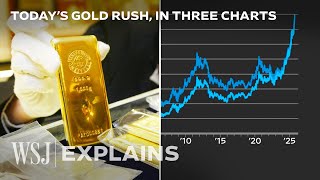
Historically, gold has been perceived as a hedge against inflation. During periods of high inflation, such as the 1970s, gold prices surged as investors sought to preserve their purchasing power. Data from the World Gold Council shows that gold prices increased by over 2,300% from 1971 to 1980.
Current Situation
According to recent data from the U.S. Bureau of Labor Statistics, inflation rates have hit a multi-decade high, prompting a sell-off in gold and silver as investors react to fluctuating economic signals. The spot price of gold has seen significant movement, reflecting market volatility and investor sentiment.
Gold Market Dynamics
Industry sources indicate that central banks' monetary policy and geopolitical tensions are key factors influencing current gold prices. The Federal Reserve's recent meeting highlighted the tightrope central banks walk between controlling inflation and fostering economic growth.
Deep Analysis
Gold prices are intricately linked with inflationary trends. As inflation rises, the real yield on bonds decreases, making non-yielding assets like gold more attractive. However, a strong U.S. dollar can counteract this effect, as it makes gold more expensive for foreign investors.
Stakeholder Dynamics
Major stakeholders include central banks, institutional investors, and individual traders. Central banks, holding substantial gold reserves, can influence prices through policy shifts. Institutional investors, such as hedge funds, react to market signals and macroeconomic indicators, often driving short-term price movements.
Impact and Future Outlook
In the short term, inflationary pressures are expected to persist, potentially supporting gold prices. However, the long-term outlook remains uncertain, hinging on central bank actions and geopolitical developments.
Scenario Analysis
- If inflation continues unabated, gold prices may rise as investors seek safe havens.
- Conversely, effective monetary policy could stabilize inflation and temper gold's appeal.
Practical Implications
Investors should consider diversifying portfolios to hedge against inflation risks. Gold can be a strategic asset, but it requires understanding market dynamics and timing purchases strategically.
Actionable Strategies
- Monitor central bank announcements for policy changes.
- Analyze currency movements, particularly the U.S. dollar, for potential gold price impacts.
Key Takeaways
- Gold remains a traditional inflation hedge.
- Current market volatility requires strategic investor responses.
- Central banks play a crucial role in influencing gold prices.
- Investors should consider both short-term and long-term inflationary impacts.
- Gold's appeal is affected by currency strength, particularly the U.S. dollar.
- Strategic diversification can mitigate portfolio risks associated with inflation.