Oil Prices Surge Amid Iran Conflict: Economic Insights
As oil prices climb past $105 a barrel due to the ongoing Iran conflict, the global economy braces for significant impacts. Understanding the underlying factors and potential outcomes is crucial for stakeholders. This article delves into the current situation, historical context, and future projections.
Introduction
The ongoing conflict in Iran has led to a significant surge in oil prices, currently exceeding $105 per barrel. This development is crucial as it impacts global economies, energy markets, and geopolitical dynamics.
Background and Context
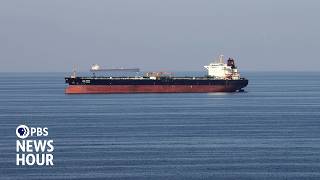
The geopolitical tension in the Middle East has historically been a major factor influencing oil prices. The current conflict in Iran, which began several weeks ago, has exacerbated these tensions, leading to disruptions in oil supply routes, particularly the Strait of Hormuz, a critical chokepoint for global oil transportation.
Historically, similar conflicts have resulted in volatile energy markets, triggering economic ripple effects worldwide. The 1973 oil crisis and the Gulf War are notable examples where geopolitical unrest led to substantial oil price hikes and economic slowdowns.
Current Situation
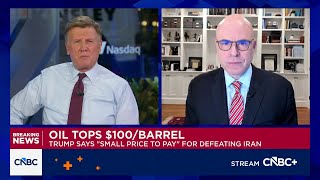
As of today, oil prices have surged to their highest levels since July 2022. This increase is primarily driven by fears of prolonged supply disruptions and heightened geopolitical risks. According to the International Energy Agency, the current situation could lead to a tighter oil market, with demand potentially outstripping supply if the conflict persists.
Industry sources indicate that major economies, including the United States and China, are closely monitoring the situation. The U.S. Energy Information Administration (EIA) has noted that strategic petroleum reserves may be tapped to stabilize domestic markets.
Deep Analysis
The underlying causes of the current oil price surge can be attributed to several factors. Firstly, the geopolitical risks associated with the Iran conflict have led to speculative trading, pushing prices higher. Secondly, the disruption of the Strait of Hormuz, through which approximately 20% of the world's oil passes, has heightened supply concerns.
Stakeholder dynamics are complex, with oil-exporting countries potentially benefiting from higher prices, while importing countries face increased energy costs. The Organization of the Petroleum Exporting Countries (OPEC) is reportedly considering adjustments to production levels to address market imbalances.
Impact and Outlook
In the short term, continued price volatility is expected. If the conflict in Iran escalates or extends, oil prices could rise further, leading to increased inflationary pressures globally. Long-term scenarios depend on geopolitical developments and potential diplomatic resolutions.
According to expert opinions from the Brookings Institution, a sustained high oil price environment could accelerate the transition to alternative energy sources, as countries seek to reduce dependency on volatile oil markets.
Practical Implications
For businesses and consumers, understanding the implications of rising oil prices is critical. Companies reliant on oil for production and transportation should consider hedging strategies to mitigate cost increases. Consumers may need to brace for higher prices at the pump and increased costs of goods.
Policymakers are advised to strengthen energy security measures and explore strategic petroleum reserves to cushion against supply shocks.
Key Takeaways
- Oil prices have surged past $105 per barrel due to the ongoing Iran conflict.
- Geopolitical tensions in the Middle East historically lead to volatile energy markets.
- Current supply disruptions are exacerbated by the strategic importance of the Strait of Hormuz.
- Speculative trading and stakeholder dynamics contribute to price volatility.
- Long-term impacts include potential inflationary pressures and accelerated energy transitions.
- Businesses and consumers should prepare for higher energy costs and explore strategic options.