Brent Crude Oil Prices Surge Amid Supply Concerns
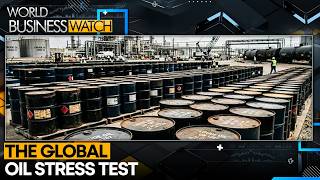
Global oil markets are facing renewed volatility as Brent crude oil prices surge past $106 per barrel. With geopolitical tensions and economic factors at play, understanding these dynamics is crucial for stakeholders across industries.
Introduction
Brent crude oil prices have surged past $106 per barrel, driven by ongoing global supply concerns and geopolitical tensions. This development is critical as it affects not only the energy sector but also global economic stability and consumer markets.
Background/Context
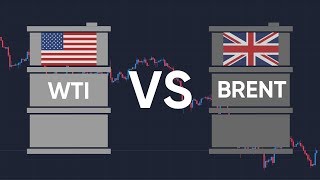
The volatility in oil prices is not a new phenomenon. Historically, oil markets have been influenced by a combination of supply-demand dynamics, geopolitical tensions, and economic cycles. Brent crude, a major trading classification of sweet light crude oil, is a benchmark for global oil prices. Its price fluctuations provide insights into broader economic trends.
In recent years, factors such as OPEC policies, U.S. shale production, and international conflicts have played significant roles in shaping oil markets. For instance, the 2020 oil price collapse was a direct result of a supply glut exacerbated by the COVID-19 pandemic's impact on demand.
Current Situation
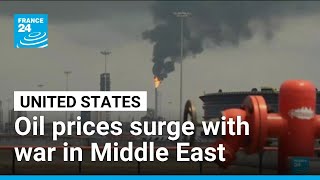
Currently, Brent crude prices are experiencing an upward trajectory, surpassing $106 per barrel. According to industry reports, this increase is primarily attributed to concerns over global supply shortages. Geopolitical tensions, particularly in the Middle East, and production cuts by major oil-producing countries are contributing to this trend.
Data from the International Energy Agency (IEA) indicates that global oil demand is expected to rise in the coming months, further straining supply chains. Meanwhile, ongoing sanctions on certain oil-exporting countries continue to restrict market access, adding pressure to the supply side.
Deep Analysis
The underlying causes of the current price surge are multifaceted. On one hand, geopolitical dynamics, such as potential conflicts in oil-rich regions, create uncertainties that drive prices up. On the other hand, the economic recovery post-pandemic is boosting demand faster than supply can adjust.
Stakeholders such as OPEC+ (a coalition of oil-producing countries) play a critical role in balancing these dynamics. Their recent decisions to maintain production cuts have been pivotal in sustaining higher prices. Moreover, the transition towards renewable energy sources, while essential, is not happening swiftly enough to offset current oil dependency.
Impact/Outlook
The impact of rising oil prices is multifaceted. In the short term, consumers can expect higher gasoline prices, which may contribute to inflationary pressures globally. Industries reliant on oil, such as transportation and manufacturing, may face increased operational costs.
In the long term, sustained high prices could accelerate investments in alternative energy sources, promoting a shift towards sustainability. However, this transition requires significant infrastructure investments and policy support.
Practical Implications
For businesses, navigating current oil price volatility involves strategic planning and risk management. Companies can hedge against price fluctuations by securing long-term contracts and exploring energy diversification. Policymakers need to balance short-term economic pressures with long-term sustainability goals.
Consumers can mitigate the impact of rising gasoline prices by adopting energy-efficient practices, such as carpooling and utilizing public transportation.
Key Takeaways
- Brent crude oil prices have surpassed $106 per barrel amid global supply concerns.
- Geopolitical tensions and economic recovery are key drivers of current price trends.
- OPEC+ production policies significantly influence oil market dynamics.
- Short-term impacts include potential inflation and increased consumer costs.
- Long-term scenarios may accelerate the shift towards renewable energy sources.
- Businesses and consumers can adopt strategies to manage cost impacts.
- Policymakers face the challenge of balancing economic stability and sustainability.