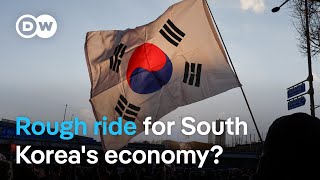
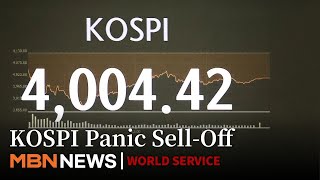
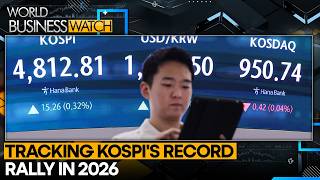
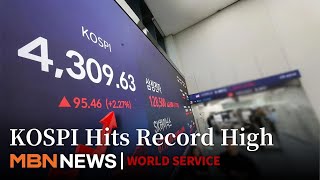
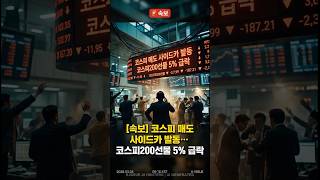
Kospi Plunge: South Korea's Economic Shock Unpacked
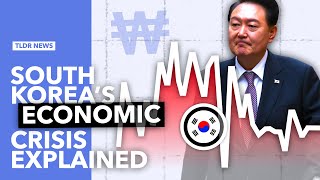
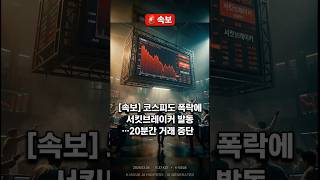
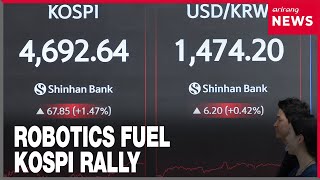
South Korea's Kospi index experienced a dramatic 7% plunge amid escalating Middle East tensions. This article explores the multifaceted impacts on South Korea's economy, examining historical precedents, current market dynamics, and future implications.

Introduction
South Korea's Kospi index recently plunged 7%, creating shockwaves across global financial markets. This significant drop raises concerns about the broader implications for South Korea's economy in the context of escalating Middle East tensions.
Background/Context
Historically, South Korea's economy has been highly sensitive to global geopolitical events due to its export-driven nature. The Kospi index, a key benchmark of South Korean equity performance, has previously seen volatility in response to international conflicts, such as the Gulf War in the early 1990s.
The ongoing tensions in the Middle East have reignited fears of supply chain disruptions and energy price spikes. According to the International Energy Agency, South Korea imports over 70% of its crude oil from the Middle East, making it particularly vulnerable to regional instability.
Past economic downturns in South Korea have often been linked to external shocks, further emphasizing the importance of understanding the current situation’s roots.
Current Situation
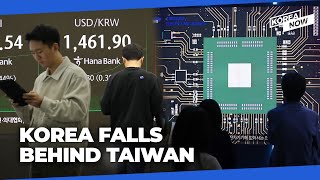
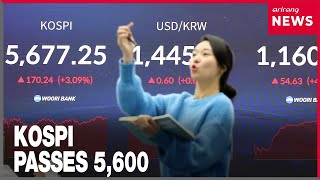
The recent 7% plunge in the Kospi has been attributed to a massive selloff by foreign investors, spurred by fears of a protracted conflict in the Middle East. Data from the Korea Exchange indicates that foreign investors sold over $1 billion worth of Korean stocks in a single day, seeking safer havens amid geopolitical uncertainty.
South Korea's Ministry of Economy and Finance has issued statements assuring the stability of the country's financial systems, yet investor confidence appears shaken. The Bank of Korea is reportedly considering interest rate adjustments to stabilize the economy, a move it last took during the 2008 financial crisis.
Industry sources indicate that sectors such as technology and automotive, which heavily rely on global supply chains, are particularly at risk of further declines.
Deep Analysis
Several underlying factors contribute to the current economic instability in South Korea. The heavy reliance on energy imports makes the country particularly susceptible to oil price fluctuations. Additionally, South Korea's position as a major exporter of semiconductors and electronics means that any disruption in trade routes can have significant impacts.
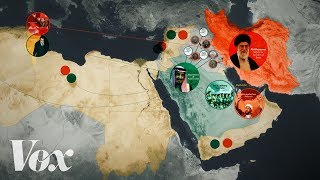
Geopolitical experts suggest that the power dynamics in the Middle East, including the involvement of major powers like the United States and Russia, could lead to prolonged conflict. This scenario poses a significant risk to global economic stability, with South Korea being one of the most exposed due to its economic structure.
Furthermore, South Korea's domestic policy responses, including fiscal stimulus and monetary policy adjustments, will play crucial roles in mitigating these impacts.
Impact/Outlook
In the short term, South Korea is likely to experience continued market volatility, with potential impacts on GDP growth and employment rates. Analysts from the Korea Development Institute predict a possible 0.5% decrease in GDP if the conflict persists beyond six months.
In the long term, structural changes may be necessary to reduce South Korea's vulnerability to external shocks. This could include diversifying energy sources and strengthening economic ties with non-Middle Eastern countries.
However, the outlook remains uncertain, as the duration and intensity of the Middle East conflict are unpredictable. South Korea's ability to adapt to these challenges will be a key determinant of its economic resilience.
Practical Implications
For investors, the current situation highlights the importance of portfolio diversification and risk management. Investing in a mix of asset classes and geographic regions can help mitigate exposure to geopolitical risks.
Businesses may need to reassess their supply chain strategies, considering alternative sourcing options and building more robust contingency plans.
Policymakers should focus on enhancing economic resilience through diversification and innovation, ensuring that South Korea can weather future global disruptions.
Key Takeaways
- The Kospi's 7% plunge underscores South Korea's vulnerability to global geopolitical events.
- Foreign investor selloffs have significantly impacted South Korea's financial markets.
- Energy import dependency is a critical risk factor amid Middle East tensions.
- Short-term economic volatility is expected, with potential long-term structural changes necessary.
- Diversification and risk management are essential for investors and businesses in South Korea.
- Policy responses will play a crucial role in stabilizing South Korea's economy.