The Economic Impact of a Prolonged War with Iran on Global Markets
As tensions escalate between the US and Iran, global markets face significant volatility. Explore how this conflict impacts stock markets, energy prices, and international relations.

The Rising Tensions Between the US and Iran
The geopolitical landscape has been shaken by the recent escalation of hostilities between the United States and Iran. This conflict, marked by missile exchanges and military strikes, has not only geopolitical implications but also significant economic ones. Investors worldwide are on edge, as the prospect of a prolonged war introduces uncertainty into the global markets.
On a broader scale, this confrontation is a manifestation of long-standing tensions over nuclear capabilities, regional influence, and geopolitical strategy. The stakes are high, as both nations leverage their military and economic might to assert dominance. The repercussions of this conflict extend beyond political corridors, spilling over into the financial markets that thrive on stability and predictability.
Impact on Global Stock Markets
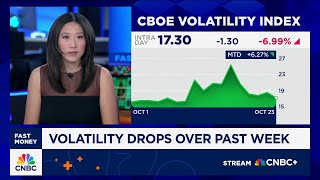
With Wall Street investors increasingly jittery, the stock markets have witnessed significant turbulence. The VIX, often referred to as the 'fear index,' has surged, reflecting the growing anxiety among investors (see BBC Business). The volatility index, a measure of market risk, is a key indicator that investors use to gauge the level of fear or complacency in the stock market.
Historically, geopolitical tensions have had a profound impact on stock markets. The current scenario is no different, with investors pulling back from equities and seeking safer havens like gold and government bonds. Financial strategists are cautioning that a prolonged conflict could lead to sustained market volatility, potentially triggering a bear market.
Energy Prices and Inflation Concerns
Another critical aspect of the US-Iran conflict is its effect on energy prices. With Iran located in a region that is home to a significant portion of the world's oil reserves, any disruption in production or transport can lead to a spike in oil prices. This surge can exacerbate inflationary pressures globally, compounding the challenges faced by central banks already grappling with inflation (source: Reuters).
The increase in energy costs may impede economic recovery efforts in post-pandemic economies. As businesses face higher operational costs, these could be passed on to consumers, resulting in a decrease in disposable income and consumer spending, further slowing economic growth.
International Relations and Economic Alliances
The conflict has also highlighted the complexities of international alliances and economic relations. The US's actions have sparked varied responses from its allies and adversaries, leading to a reevaluation of geopolitical alliances. European nations, in particular, find themselves in a precarious position, as they navigate their ties with the US while maintaining diplomatic relationships with Middle Eastern countries (see New Statesman).
This dynamic could lead to a realignment of international trade agreements and economic policies. Countries that rely heavily on oil imports might seek to diversify their energy sources, reducing their dependence on Middle Eastern oil.
Future Outlook: Navigating an Uncertain Economic Landscape
As the situation unfolds, economists and strategists are focused on assessing the potential long-term impacts of a sustained conflict. The key to navigating this uncertain landscape lies in understanding the interplay between geopolitical events and market forces. Analysts suggest that investors should brace for continued volatility and adopt a cautious approach to portfolio management.
The potential for diplomatic resolutions remains, and any signals towards de-escalation could rapidly change the current economic trajectory. However, until such resolutions materialize, stakeholders must remain vigilant and adaptable to the evolving geopolitical and economic realities.
Key Takeaways
- The US-Iran conflict has created significant volatility in global stock markets, with investors seeking safer assets.
- Rising oil prices due to the conflict could exacerbate global inflationary pressures, impacting economic recovery.
- The situation underscores the importance of geopolitical stability for economic stability and growth.