Middle East Tensions: Economic Implications of the Iran-Israel Conflict
Explore how the escalating Iran-Israel conflict impacts global markets. Delve into the potential ripple effects on oil prices, global supply chains, and investor sentiment.
The Geopolitical Landscape: Iran-Israel Tensions
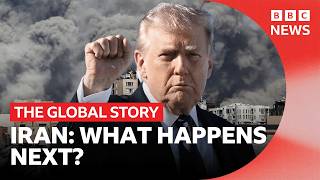
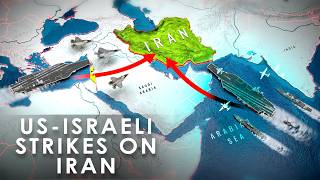
The Middle East has long been a hotspot of geopolitical tension, but recent events have escalated the situation to unprecedented levels. The ongoing conflict between Iran and Israel has intensified following the alleged death of Iranian Supreme Leader Ayatollah Ali Khamenei. In retaliation, Iran has launched strikes across the Middle East, targeting countries in the Persian Gulf and Israel itself. This conflict, often referred to as 'Operation Epic Fury', involves a coalition between the U.S. and Israel, raising concerns about wider regional stability.
The roots of this conflict are deeply embedded in historical, religious, and political differences, with long-standing animosities between Iran and Israel. The recent developments, however, have brought a new wave of military actions that could reshape the political and economic landscape not just regionally, but globally.
Impacts on Global Oil Markets
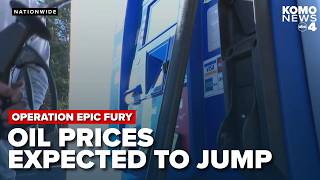
One of the most immediate concerns arising from the conflict is the impact on global oil markets. The Middle East is a critical hub for oil production and export, and any disruption in this region can have significant ramifications on global oil supplies. According to The Washington Post, the conflict has already started to affect oil supplies, causing a ripple effect on prices worldwide.
Historically, geopolitical tensions in the Middle East have led to spikes in oil prices. During the 1979 Iranian Revolution, for example, oil prices rose sharply, leading to increased inflation and economic instability in many countries. In the current scenario, analysts fear a similar pattern, with the potential for prolonged conflict leading to increased volatility in the oil markets.
Supply Chain Disruptions: A Global Concern
The global supply chain, already strained by the COVID-19 pandemic, now faces additional challenges due to the Middle East tensions. The Wall Street Journal reports that companies are racing to relocate employees caught in the conflict zone, highlighting the broader business implications.
Key shipping routes, such as the Strait of Hormuz, are critical for the transportation of oil and other goods. Any disruption in these routes can lead to significant delays and increased costs for businesses reliant on Middle Eastern exports. Moreover, the uncertainty around the conflict may lead to stockpiling, further exacerbating supply chain challenges.
Investor Sentiment and Global Financial Markets
Investor sentiment is highly sensitive to geopolitical risks, and the Iran-Israel conflict is no exception. The CNN notes that markets have begun to react, with fluctuations in stock prices and increased demand for safe-haven assets such as gold and government bonds.
The uncertainty surrounding the conflict's duration and potential expansion makes it difficult for investors to assess risk accurately. This could lead to increased volatility in financial markets as investors seek to mitigate potential losses.
Long-Term Economic Outlook
While immediate impacts are significant, the long-term economic outlook depends on the conflict's resolution and the international community's response. Prolonged instability in the Middle East could lead to sustained higher oil prices, impacting inflation and growth globally.
Additionally, the conflict may prompt countries to diversify energy sources and supply chains to mitigate risk, potentially accelerating a transition to renewable energy and more resilient global supply networks.
Key Takeaways
The escalating Iran-Israel conflict has far-reaching implications for global markets, particularly concerning oil prices, supply chain resilience, and investor sentiment. While immediate impacts are evident, the long-term economic effects will largely depend on the conflict's duration and international response. Stakeholders must remain vigilant and adaptable to navigate these uncertain times effectively.