Nifty 50 Slump: Iran War's Ripple Effect on India
The Nifty 50's recent downturn reflects the volatile global economic climate influenced by the Iran conflict. This analysis explores how the geopolitical tensions are impacting India's financial market, with a focus on oil prices and investor sentiment.

Introduction: Geopolitical Tensions and Market Impact
The recent slump in the Nifty 50 is a stark reminder of how geopolitical tensions can ripple through global markets. The escalation of conflict involving Iran has driven oil prices upwards, creating uncertainty in Indian shares.
Background/Context: Iran Conflict's Economic Roots
The longstanding geopolitical tensions in the Middle East, particularly involving Iran, have historically caused fluctuations in global oil prices. The recent developments are part of a larger narrative of political instability in the region, which often results in economic repercussions worldwide.
Historically, conflicts in the Middle East have led to oil supply disruptions. For instance, the 1973 oil crisis demonstrated how geopolitical events can have far-reaching economic effects, including recessions and inflation in oil-dependent economies.
Current Situation: Nifty 50 and Oil Price Surge
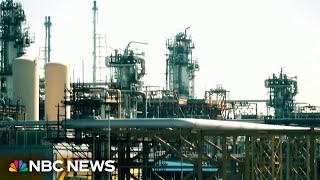
According to recent data from the Bombay Stock Exchange, the Nifty 50 has experienced a significant downturn, attributed largely to the surge in oil prices. The increase in oil prices, nearing $120 per barrel, marks one of the largest single-day gains in nearly four decades, impacting energy costs and inflation expectations in India.
Industry sources indicate that investor sentiment is particularly shaky, as the uncertainty surrounding oil supply and prices adds a layer of risk to India's economic outlook. The Indian economy, heavily reliant on oil imports, is susceptible to price volatility, affecting everything from transportation costs to manufacturing expenses.
Deep Analysis: Causal Dynamics and Stakeholders
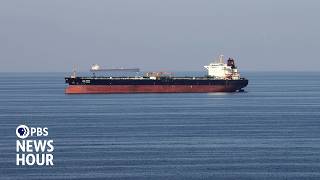
The primary driver of the current market volatility is the geopolitical tension between Iran and other regional powers, including Israel. The conflict has direct implications for oil supply routes across the Strait of Hormuz, a critical chokepoint for global oil shipments.
Stakeholder dynamics are complex. On one hand, oil-exporting nations might benefit from price hikes; on the other, oil-importing economies like India face increased costs that could stifle economic growth. Additionally, market analysts suggest that investor caution is heightened due to the unpredictability of further escalations.
Impact/Outlook: Short and Long-term Scenarios
In the short term, oil prices are expected to remain volatile as geopolitical tensions persist. This situation is likely to influence inflation rates, which could lead to tighter monetary policies by the Reserve Bank of India (RBI).
In the long term, the outlook depends on the resolution of the conflict. A de-escalation could stabilize oil prices, benefiting the Indian economy. However, prolonged tensions could lead to sustained high oil prices, dampening economic growth prospects and investor confidence in Indian markets.
Practical Implications: Strategies for Stakeholders
For investors, diversification remains key. Industry experts recommend a balanced portfolio that hedges against oil price volatility. For policymakers, enhancing energy security by investing in alternative energy sources and strategic reserves could mitigate future risks.
Businesses should consider cost management practices to cushion against fluctuating energy expenses. Consumers, meanwhile, might need to brace for potential price hikes in goods and services.
Key Takeaways
- The Nifty 50 slump is closely tied to the geopolitical situation in Iran, affecting global oil prices.
- Historical context shows that Middle Eastern conflicts have long influenced economic stability worldwide.
- Current market volatility is driven by investor uncertainty and rising energy costs in India.
- Short-term fluctuations are expected, with long-term outcomes depending on geopolitical resolutions.
- Strategies include diversification for investors and energy security for policymakers.
- Businesses and consumers should prepare for potential impacts on expenses and pricing.
Ultimately, the situation highlights the interconnectedness of global markets and the importance of strategic planning in navigating economic uncertainties.