Fed Holds Steady Amid Persian Gulf Tensions
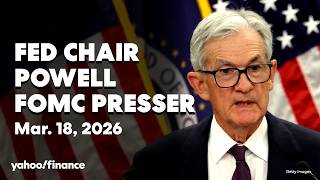
The Federal Reserve's decision to maintain interest rates is influenced by ongoing tensions in the Persian Gulf. This article delves into the implications of this decision on global markets and inflation, providing expert analysis and historical context.
Introduction
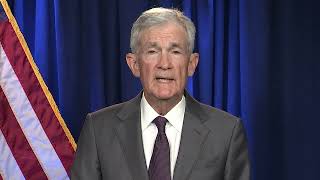
Amid escalating tensions in the Persian Gulf, the Federal Reserve has opted to hold interest rates steady, a decision that carries significant weight given the potential for inflationary pressures. This analysis explores the broader implications of the Fed's stance and the geopolitical factors at play.
Background/Context
The Federal Reserve, the central banking system of the United States, plays a pivotal role in managing national monetary policy. Historically, its decisions on interest rates are influenced by a variety of domestic and international factors. The Persian Gulf region, a critical hub for global oil supply, has long been a geopolitical flashpoint, with conflicts often leading to economic repercussions worldwide.
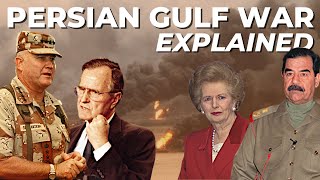
Historically, conflicts in the region, such as the Iran-Iraq War in the 1980s and the Gulf War in the 1990s, have led to significant disruptions in oil supply, prompting shifts in global energy markets and inflation rates. The Fed's current decision is informed by these historical precedents and the potential for similar disruptions.
Current Situation
As of March 2026, the Persian Gulf is witnessing renewed tensions, particularly involving Iran, which could threaten global oil supplies and, consequently, economic stability. According to reports, the Fed has decided to keep interest rates unchanged, a move that reflects caution amid these uncertainties.
Data from the Federal Reserve indicates that while domestic inflation rates are currently stable, the potential for escalation in the Gulf poses a significant risk. Industry sources indicate that oil prices have seen fluctuations, with potential for further volatility should the situation deteriorate.
Deep Analysis
The decision to hold rates steady is rooted in a complex interplay of economic indicators and geopolitical considerations. The Fed must balance its mandate to control inflation with the need to support economic growth, particularly in a climate of uncertainty.
Experts suggest that the Fed's cautious approach is aimed at preventing premature tightening of monetary policy, which could stifle economic recovery. At the same time, the possibility of increased oil prices could lead to inflationary pressures, complicating the Fed's task.
Impact/Outlook
In the short term, the Fed's decision is expected to provide stability to financial markets, as investors seek clarity amid geopolitical uncertainty. However, should tensions in the Persian Gulf escalate, the Fed may be compelled to reassess its stance.
Long-term projections remain uncertain, as much depends on the resolution of the current conflict. Should the situation stabilize, the Fed may have greater flexibility in adjusting rates to foster economic growth. Conversely, a protracted conflict could necessitate more aggressive monetary interventions.
Practical Implications
For businesses and investors, the current environment underscores the need for strategic planning and risk management. Companies involved in international trade, particularly in energy sectors, should monitor developments closely and consider hedging strategies to mitigate potential risks.
On a personal finance level, individuals are advised to remain cautious about debt and investment decisions, given the potential for economic volatility.
Key Takeaways
- The Fed's decision to hold interest rates reflects caution amid Persian Gulf tensions.
- Historical conflicts in the region have previously led to significant economic impacts.
- The decision aims to balance inflation control with economic growth support.
- Short-term stability is expected, but long-term projections are uncertain.
- Businesses and individuals should prepare for potential economic volatility.
- Monitoring geopolitical developments is crucial for informed decision-making.