TerraPower's Nuclear Plant: A New Era in Energy
TerraPower's approval to start constructing its first nuclear plant marks a significant step in sustainable energy. This development could reshape the energy landscape, bringing cleaner power and economic growth. Understanding its implications is crucial for stakeholders across industries.
Introduction: A New Dawn for Nuclear Energy
TerraPower's recent approval to commence construction of its first nuclear plant signifies a pivotal moment in the evolution of sustainable energy solutions. This development holds profound implications for the global energy landscape, promising advancements in clean power generation and economic growth.
Background/Context: The Evolution of Nuclear Energy
Nuclear energy has long been heralded as a potential solution to the world's growing energy demands. Historically, the development of nuclear power has been fraught with challenges, including safety concerns and high costs. However, innovations in reactor technology and increased emphasis on sustainability have reignited interest in nuclear as a viable clean energy source.
TerraPower, co-founded by Bill Gates, has been at the forefront of these innovations. The company's focus on developing advanced nuclear reactors aims to address the limitations of traditional nuclear power, such as waste management and plant safety. TerraPower's new plant is set to incorporate these cutting-edge technologies, positioning it as a leader in the next generation of nuclear energy.
Nuclear Energy's Role in Climate Change Mitigation
According to the International Energy Agency, nuclear energy contributes approximately 10% of the world's electricity and is a crucial component in reducing carbon emissions. As nations strive to meet carbon reduction targets outlined in international agreements like the Paris Accord, nuclear energy offers a promising alternative to fossil fuels.
Current Situation: TerraPower's Milestone Achievement
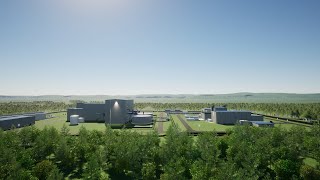
As per recent announcements, TerraPower has received the green light to initiate the construction of its first nuclear plant, with an anticipated completion date of 2030. This project, located in Wyoming, USA, is set to utilize TerraPower's proprietary Natrium reactor technology, which promises increased safety and efficiency compared to conventional reactors.
The approval marks a significant achievement for TerraPower, reflecting years of research, development, and collaboration with industry partners and regulatory bodies. This project also represents a strategic move towards revitalizing the nuclear energy sector in the United States, which has seen little growth in new plant construction over recent decades.
Technological Innovations and Safety Features
TerraPower's Natrium reactor design incorporates several innovative features aimed at enhancing safety and efficiency. These include a liquid sodium cooling system, which operates at atmospheric pressure, reducing the risk of explosive reactions. Additionally, the plant will employ advanced materials and digital instrumentation to optimize performance and ensure operational integrity.
Deep Analysis: Drivers and Challenges in Nuclear Expansion
The renewed interest in nuclear energy is driven by several factors, including the urgent need for clean energy solutions, advancements in reactor technology, and supportive government policies. However, the path forward is not without challenges. Public perception of nuclear safety, regulatory hurdles, and financial viability remain significant barriers to widespread adoption.
Industry experts indicate that overcoming these challenges will require continued innovation, transparent communication with stakeholders, and robust regulatory frameworks that ensure safety without stifling technological progress. Additionally, strategic partnerships between government, industry, and academia will be crucial in advancing nuclear energy development.
Stakeholder Dynamics and Industry Impact
The construction of TerraPower's plant is expected to have a ripple effect across various sectors. For the energy industry, it represents a tangible step towards diversifying the energy mix and reducing carbon footprints. Economically, the project is anticipated to create jobs and stimulate local economies, particularly in regions transitioning away from coal-based energy production.
Impact/Outlook: Shaping the Future of Energy
In the short term, TerraPower's plant is projected to generate significant attention and investment in nuclear technology. As the project progresses, it will serve as a benchmark for future developments in the sector. In the long term, successful deployment of TerraPower's technology could catalyze a global shift towards nuclear energy as a cornerstone of clean power generation.
The plant's completion is expected to contribute to reduced greenhouse gas emissions and enhanced energy security. However, the realization of these benefits will depend on sustained commitment to innovation, policy support, and public engagement.
Global Implications and Strategic Positioning
Globally, TerraPower's initiative may influence other countries to reconsider their energy strategies, particularly those that have previously shunned nuclear power. As nations compete to lead the transition to sustainable energy, the successful deployment of advanced nuclear technologies could redefine geopolitical and economic landscapes.
Practical Implications: Navigating the Nuclear Renaissance
For industry stakeholders and policymakers, understanding the implications of TerraPower's plant is vital. Companies should explore opportunities for collaboration and investment in nuclear technology, while governments must develop policies that balance innovation with safety and environmental stewardship.
For the general public, increased awareness and education on nuclear energy's benefits and challenges are essential. Engaging in informed dialogue can help demystify nuclear technology and build public trust, which is crucial for the sector's growth.
Concrete Steps for Stakeholders
- Invest in research and development of advanced nuclear technologies.
- Foster public-private partnerships to accelerate innovation and deployment.
- Enhance regulatory frameworks to support safe and efficient plant operations.
- Promote educational initiatives to increase public understanding of nuclear energy.
Key Takeaways
- TerraPower's plant approval marks a significant milestone in nuclear energy development.
- Innovations in reactor technology are crucial for addressing historical challenges.
- Successful deployment could reshape the global energy landscape and reduce emissions.
- Collaboration and robust regulatory frameworks are essential for progress.
- Public engagement and education can build trust and support for nuclear initiatives.
![TerraPower Nuclear Technology in Wyoming [FULL EPISODE: Utah's Power Pivot E3]](https://img.youtube.com/vi/tExfqzB57ec/mqdefault.jpg)