Unlocking the Mysteries of the March 2026 Total Lunar Eclipse
Discover how the March 2026 total lunar eclipse will transform the night sky across continents. Find out the best places to witness this celestial event and understand its significance.

Introduction to the March 2026 Total Lunar Eclipse
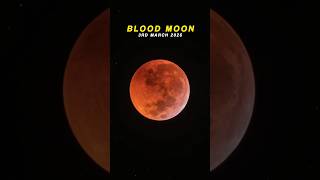
The sky has always been a source of wonder, and the upcoming total lunar eclipse in March 2026 promises to deliver a spectacular celestial event. This astronomical phenomenon, often referred to as a 'blood moon', will be visible across several continents, offering an unforgettable experience for stargazers and eclipse chasers alike. But what exactly causes a lunar eclipse, and how can you best prepare to witness this awe-inspiring event?
Unlike solar eclipses, which require special protective glasses, lunar eclipses can be safely observed with the naked eye. This upcoming event will offer a rare opportunity to see the moon bathed in a dramatic red hue, a sight that has fascinated humans for centuries.
The Science Behind a Lunar Eclipse
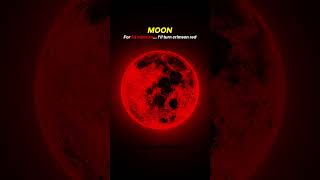
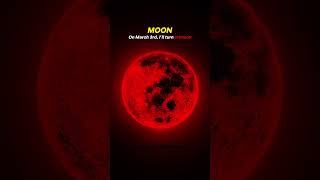
A total lunar eclipse occurs when the Earth positions itself directly between the sun and the moon, casting a shadow on the latter. The 'blood moon' effect is due to Rayleigh scattering, which filters out the blue and green light in the Earth's atmosphere, allowing the red hues to reach the moon's surface.
As the eclipse progresses, the moon will pass through various phases, each offering a unique view. The entire event can last several hours, with the totality phase, where the moon is completely covered, lasting up to 90 minutes.
Where to Watch the March 2026 Eclipse
This particular eclipse will be visible across North America, Australia, New Zealand, and parts of eastern Asia. For the best viewing experience, observers in the western United States, eastern Australia, and parts of Japan will have front-row seats to the celestial show.
For those planning to travel, consider checking out resources like Time and Date or Space.com for detailed eclipse timings and visibility maps. These sites offer comprehensive guides to ensure you capture the eclipse in all its glory.
Why Eclipses Matter: Cultural and Scientific Significance
Lunar eclipses have played significant roles in various cultures throughout history. From being seen as omens to inspiring myths and legends, these events have captured the human imagination. In modern times, they offer valuable opportunities for scientific study, helping astronomers learn more about the Earth's atmosphere and lunar surface.
An article on Wikipedia provides insights into the historical and scientific perspectives of lunar eclipses, highlighting their importance in both ancient and contemporary contexts.
Preparing for the 2026 Lunar Eclipse
To make the most of the March 2026 event, preparation is key. Here are some tips:
- Find a clear viewing spot: Open areas away from city lights offer the best conditions.
- Use binoculars or a telescope: Enhance the details and colors during the eclipse.
- Check weather forecasts: Cloud coverage can impede visibility, so stay updated.
Consider attending community events or public viewings organized by local astronomical societies. These gatherings can provide additional equipment and expert guidance to enhance your experience.
Key Takeaways from the March 2026 Total Lunar Eclipse
The March 2026 total lunar eclipse is not just a visual treat but an event steeped in scientific and cultural significance. Whether you're a seasoned astronomer or a curious onlooker, this celestial phenomenon offers a chance to connect with the cosmos and appreciate the natural wonders of our universe.
By preparing ahead, choosing the right location, and understanding the science behind the eclipse, you can ensure a memorable experience. Remember, the next total lunar eclipse of this magnitude won't occur until later in the decade, making this an unmissable event for those passionate about astronomy.