The Future of Electric Vehicle Batteries: Lifespan and Sustainability
Explore how electric vehicle batteries are lasting longer than anticipated, their impact on the environment, and what this means for the future of sustainable transportation.

The Evolution of Electric Vehicle Batteries
When electric vehicles (EVs) first hit the market, one of the primary concerns was the longevity of their batteries. Early adopters feared frequent, costly replacements. However, technological advancements over the past decade have exceeded these expectations, paving the way for more sustainable and efficient solutions.
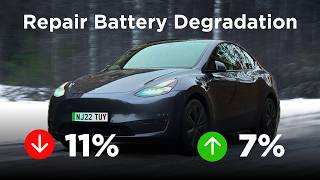
In the early 2000s, EV batteries were expected to last only a limited number of years with significant capacity loss. Fast forward to today, and the narrative has shifted dramatically. According to NPR, the average EV battery now can last up to 15 years with minimal degradation, a testament to the strides made in battery technology.
How Long Do EV Batteries Actually Last?
Current research indicates that EV batteries can maintain up to 80% of their original capacity even after 10 years of use. This significant improvement is largely due to advancements in battery chemistry and thermal management systems that help extend the life of these energy storage units.
Many modern EVs, such as those offered by Tesla, come with warranties covering up to eight years or 160,000 kilometers, whichever comes first. This confidence in longevity is not only appealing to consumers but also critical to the widespread adoption of electric vehicles worldwide.
The Environmental Impact of Longer-Lasting Batteries
One of the most significant benefits of longer-lasting EV batteries is their reduced environmental impact. The production of lithium-ion batteries carries a considerable environmental footprint, from mining raw materials to the energy-intensive manufacturing process.
By extending the lifespan of these batteries, we can mitigate some of these impacts. Fewer batteries will need to be produced, reducing the demand for raw materials and lessening the strain on the environment. This sustainability element aligns with global efforts to curb carbon emissions and promote greener technologies.
Challenges and Innovations in Battery Technology
Despite these advancements, challenges remain. The recycling and disposal of EV batteries remain critical issues needing innovative solutions. Companies are investing heavily in research to improve battery recycling processes and develop new technologies, such as solid-state batteries, which promise even greater reliability and efficiency.
Furthermore, the global push towards electrification has spurred innovation. Companies like BBC reports, are exploring new battery technologies that utilize sustainable materials, aiming to create a circular economy where batteries are reused and recycled effectively.
The Future Outlook for Electric Vehicles
The future of electric vehicles looks promising, with battery technology at the forefront of this transformation. As more companies invest in research and development, we can expect further improvements in battery life, safety, and sustainability.
Governments around the world are supporting this transition with policies aimed at reducing carbon emissions and promoting clean energy. As a result, the demand for electric vehicles is expected to grow exponentially, with projections from Reuters indicating that EVs could account for up to 30% of all vehicles on the road by 2030.
Key Takeaways
The advancements in electric vehicle battery technology have not only addressed early concerns about lifespan and reliability but have also opened the door for a more sustainable transportation future. With ongoing research, innovation, and supportive policies, the outlook for electric vehicles remains optimistic, heralding a new era of eco-friendly mobility.