Northern Lights: Your Ultimate Viewing Guide
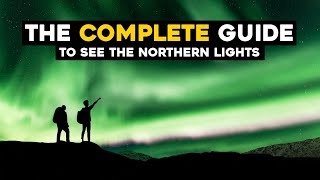
The northern lights are at their peak, offering a breathtaking natural phenomenon. Discover the science behind the auroras, best viewing locations, and tips to maximize your experience before the lights begin to fade.
Introduction
The northern lights, or aurora borealis, are captivating skyward displays that have reached their peak visibility. This article explores why they matter now and how you can plan to see them before they diminish.
Background/Context
The northern lights have fascinated humans for centuries. Historically, they have been part of folklore and scientific inquiry. The phenomenon occurs due to solar winds interacting with Earth's magnetic field. This section delves into the historical significance and scientific basis of the auroras.
Historical Significance
Throughout history, the aurora borealis has inspired myths and legends in cultures around the world. From the Norse to the Inuit, these lights have been perceived as omens or spirits.
Scientific Explanation
According to NASA, the lights are caused by charged particles from the sun colliding with gases in Earth's atmosphere. This interaction creates the stunning colors we see in the sky. Understanding this process is crucial to appreciating the natural spectacle.
Current Situation
Data from the National Oceanic and Atmospheric Administration indicates that the northern lights are currently at a solar maximum phase, part of the 11-year solar cycle. This means increased visibility until the cycle shifts towards a solar minimum.
Best Viewing Locations
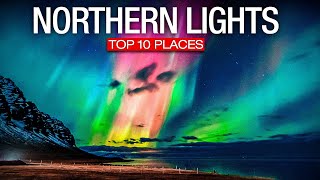
Industry experts suggest locations like Norway, Iceland, and Canada for optimal viewing. These regions offer clear skies and minimal light pollution, enhancing the experience.
Viewing Tips
For those planning a trip, experts recommend checking local forecasts, dressing warmly, and using specialized photography equipment to capture the lights.
Deep Analysis
The current peak in auroral activity is due to increased solar flare activity. This section analyzes the solar cycle's impact on the aurora borealis and potential implications for future visibility.
Solar Cycle Impact
The 11-year solar cycle affects the intensity and frequency of the northern lights. During a solar maximum, more sunspots appear, leading to heightened auroral activity.
Future Projections
Based on data from the European Space Agency, the current peak is expected to transition to a solar minimum, reducing the visibility of the northern lights over the next few years.
Impact/Outlook
In the short term, the visibility of the northern lights will continue to be strong, offering opportunities for viewing and tourism. However, as the cycle progresses, these opportunities will diminish.
Tourism Opportunities
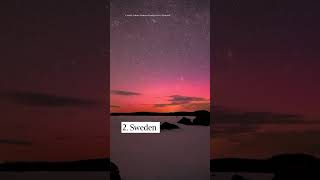
Countries like Finland and Sweden are capitalizing on the increased activity by promoting aurora tourism, which has seen significant economic impacts in these regions.
Environmental Considerations
Experts highlight the importance of sustainable tourism practices to protect these natural sites from over-tourism and environmental degradation.
Practical Implications
For individuals interested in witnessing the northern lights, now is the optimal time to plan a trip. This section provides actionable advice on planning, including travel tips and necessary preparations.
Travel Tips
Check aurora forecasts regularly, book accommodations in advance, and consider guided tours for the best experience.
Equipment Recommendations
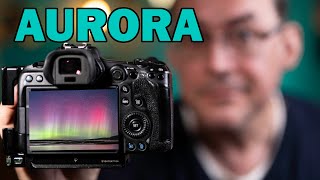
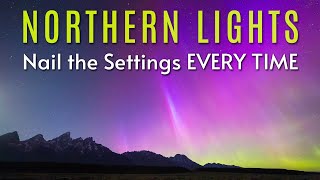
To capture the lights, use a DSLR camera with a wide-angle lens, and set long exposures to enhance the colors and details.
Key Takeaways
- The northern lights are currently at peak visibility, offering a unique viewing opportunity.
- Historical and scientific contexts enhance understanding and appreciation of the auroras.
- Optimal viewing locations include Norway, Iceland, and Canada.
- Planning is crucial: check forecasts, book early, and prepare for cold conditions.
- Sustainable tourism practices are essential to protect viewing sites.
- Future visibility will decrease as the solar cycle shifts to a minimum.
For those seeking a once-in-a-lifetime natural spectacle, the time to act is now. By following these insights and recommendations, you can experience the northern lights at their most vibrant.