Trump and Iran: Analyzing the Ongoing Tensions
As geopolitical tensions between the U.S. and Iran remain high, understanding the implications of Trump's recent statements and military maneuvers is crucial. This article provides a comprehensive analysis of the current situation, historical context, and potential outcomes, offering readers a deeper insight into a complex international issue.
Introduction
The geopolitical tensions between the United States and Iran have reached a critical juncture, with recent developments necessitating a closer examination of the situation and its potential global impact.
Background/Context
The U.S.-Iran relationship has been fraught with tension for decades, dating back to the 1979 Iranian Revolution and the subsequent hostage crisis. The U.S. withdrawal from the Joint Comprehensive Plan of Action (JCPOA) in 2018 further strained relations, setting the stage for the current conflict.
According to historical data, the U.S. has imposed numerous sanctions on Iran, targeting its nuclear program and regional influence. These measures have been met with Iranian defiance, including threats to close the Strait of Hormuz, a critical chokepoint for global oil shipments.
Current Situation
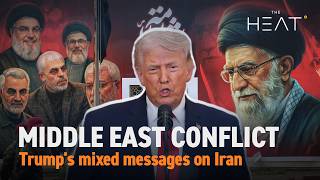
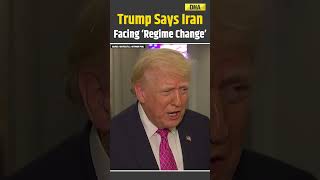
Recent statements from President Trump indicate a willingness to take military action against Iran to protect U.S. interests and allies in the region. The threat of military engagement has led to heightened tensions and market volatility, with oil prices surging amid fears of disruption.
Industry sources indicate that Iran's missile capabilities remain a significant concern for regional stability. Reports from the Pentagon suggest that Iran continues to enhance its ballistic missile program, posing a potential threat to American bases and allies.
Deep Analysis
Understanding the underlying causes of the current tensions requires analyzing the power dynamics in the Middle East. Iran's influence in countries like Syria, Lebanon, and Yemen challenges U.S. allies in the Gulf, leading to a regional power struggle.
Expert opinions suggest that Iran's actions are partly driven by domestic pressures, including economic hardships exacerbated by sanctions. The Iranian government's need to project strength externally may be a tactic to rally domestic support amid internal dissent.
Impact/Outlook
The short-term impact of the ongoing tensions includes increased volatility in global oil markets and potential disruptions in the region's trade routes. Long-term scenarios range from diplomatic resolutions, involving negotiations over Iran's nuclear program, to prolonged military engagements.
Data from international relations experts suggest that a diplomatic resolution, although challenging, remains the most viable path to de-escalation. However, the current political climate in both countries makes this option uncertain.
Practical Implications
For policymakers, the key challenge is balancing the need for security with the risk of escalation. Implementing back-channel communications and confidence-building measures could help prevent misunderstandings and reduce the likelihood of conflict.
For businesses, particularly those in the energy sector, developing contingency plans for supply chain disruptions and price fluctuations is essential. Engaging in scenario planning can help mitigate risks associated with geopolitical instability.
Key Takeaways
- The U.S.-Iran tensions have deep historical roots, with implications for global security and economic stability.
- Recent developments highlight the volatility of the situation, with potential impacts on oil markets and regional security.
- Iran's domestic and regional strategies are driven by complex internal and external factors.
- Diplomatic efforts, though challenging, are crucial for de-escalation and long-term stability.
- Businesses and policymakers must prepare for various scenarios to mitigate risks associated with the ongoing tensions.