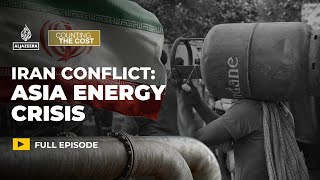
Iran Conflict Impacts Global Oil Markets Dramatically
The ongoing conflict involving Iran is significantly impacting global oil prices, creating economic ripple effects worldwide. This article investigates the historical context, current developments, and future implications of these events on international markets.

Introduction
The ongoing conflict involving Iran is significantly impacting global oil prices, creating economic ripple effects worldwide. This article investigates the historical context, current developments, and future implications of these events on international markets.
Background/Context
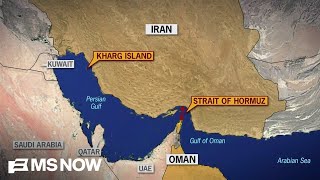
Historically, Iran has been a pivotal player in the global oil market, given its substantial reserves and strategic position in the Middle East. The region has seen numerous conflicts affecting oil supply, beginning with the Iranian Revolution in 1979, which caused a major disruption in oil exports. Similarly, the Iran-Iraq War of the 1980s and various geopolitical tensions over the decades have repeatedly led to volatility in oil prices.
According to the International Energy Agency, Iran holds the world's fourth-largest oil reserves, making its oil exports crucial for global energy supply. The geopolitical landscape, marked by sanctions and diplomatic negotiations, has often dictated the flow of Iranian oil to the international markets.
Current Situation
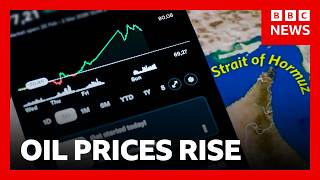
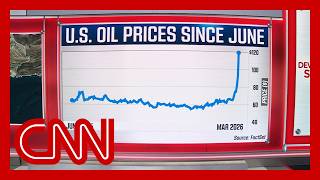
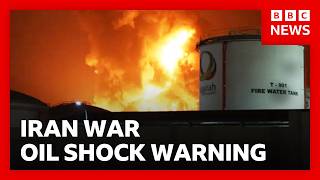
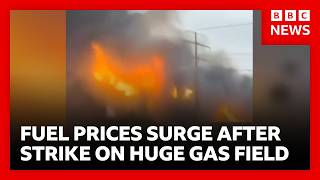
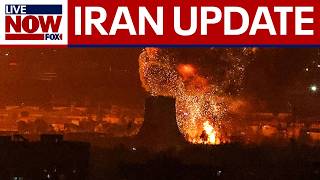
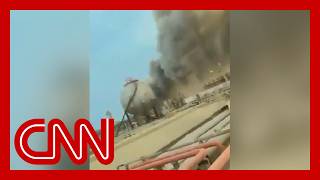
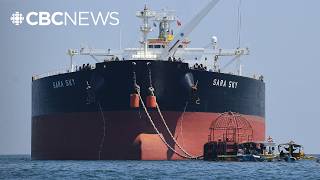
As of now, the conflict involving Iran remains ongoing, with fluctuating tensions impacting oil prices. Recent reports indicate a surge in oil prices due to attacks on energy assets, including a Kuwaiti tanker in Dubai's waters. These events underscore the fragility of the global oil supply chain and its susceptibility to geopolitical disturbances.
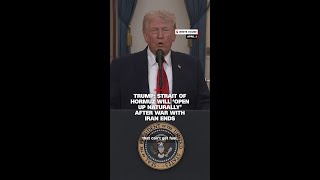
The U.S. administration has stated its intent to leave Iran within weeks, whether a diplomatic deal is reached or not. This statement, coupled with Iran's readiness to resolve the conflict under specific conditions, creates an environment of uncertainty that is driving market volatility.
Deep Analysis
The underlying causes of the Iranian conflict are deeply rooted in political, economic, and ideological differences. The power dynamics within the Middle East, including the influence of major global powers like the United States, Russia, and China, play a significant role in shaping the current situation.
Stakeholders, including oil-producing countries, multinational corporations, and consumers, are closely monitoring developments. Industry sources indicate that any disruption in Iranian oil exports can lead to a domino effect, affecting markets in Asia and Europe, which are heavily reliant on Middle Eastern oil.
Impact/Outlook
Short-term, the oil market is likely to remain volatile, with prices potentially rising further if the conflict escalates. Long-term projections suggest that if a resolution is reached, oil prices might stabilize, though geopolitical risks will persist, impacting market confidence.
Data from the Energy Information Administration suggests that strategic reserves and alternative energy investments might mitigate some impacts of supply disruptions. However, the transition to alternative energy sources is gradual, leaving the global market exposed in the interim.
Practical Implications
For businesses and consumers, understanding the dynamics of the oil market is crucial. Companies should consider hedging strategies to manage price volatility and explore alternative energy sources to reduce dependency on oil.
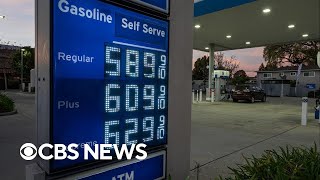
On a personal level, consumers can expect higher fuel prices, influencing transportation costs and general inflation. Awareness of these factors can guide prudent financial planning and energy consumption choices.
Key Takeaways
- The Iran conflict is significantly impacting global oil prices, causing economic ripple effects worldwide.
- Historically, Iran's geopolitical position has made its oil exports crucial for global energy supply.
- Current tensions and attacks on energy assets have led to increased market volatility.
- Stakeholders include oil-producing countries, multinational corporations, and global consumers.
- Short-term market volatility is expected, with potential long-term stabilization if a resolution is reached.
- Businesses and consumers must adapt to higher fuel costs and consider alternative energy strategies.