Iran's Oil Tanker Attacks: A Deep Analysis
Iran's recent attacks on oil tankers signal a potential escalation in the Persian Gulf. This comprehensive analysis explores the strategic motivations, international implications, and future scenarios of these developments.
Introduction
Iran's recent attacks on oil tankers in the Persian Gulf underscore a critical juncture in geopolitical tensions, with profound implications for global energy security.
Background/Context
Historically, the Strait of Hormuz has been a flashpoint due to its strategic importance in global oil transit. As tensions rise, understanding the historical context of Iranian maritime provocations becomes vital.
According to the U.S. Energy Information Administration, approximately 21 million barrels of oil per day pass through the Strait, accounting for over 20% of global petroleum consumption.
Current Situation
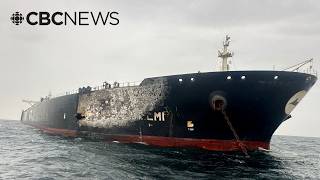
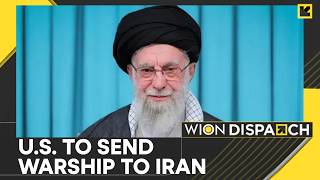
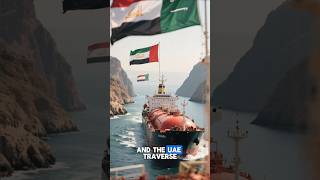
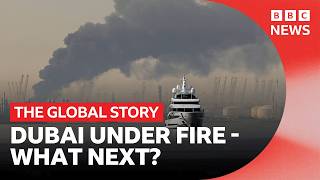
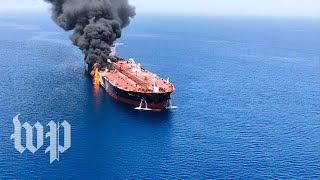
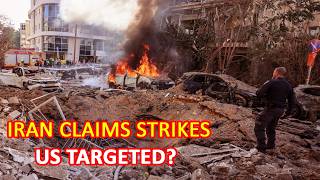
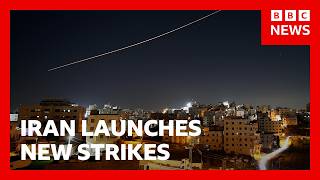
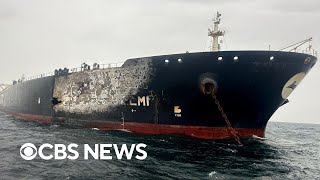
Recent reports indicate that Iran has launched attacks on oil tankers near Dubai, marking a significant escalation in the region. This move follows a series of threats and military maneuvers as Iran aims to assert control over key maritime routes.
Industry sources indicate that the attacks have already caused fluctuations in oil prices, with Brent crude seeing a temporary spike of 5% immediately after the incident.
Deep Analysis
At the core of these tensions is Iran's strategic aim to leverage its geographical position to counterbalance U.S. sanctions and exert influence over global oil markets. Experts from the Institute for Strategic Studies argue that such actions are part of a broader strategy to challenge Western dominance in the region.
Causal relationships between sanctions, domestic economic pressures, and military posturing suggest that Iran's maritime aggression is a calculated risk to pressure international stakeholders into negotiations.
Stakeholder Dynamics
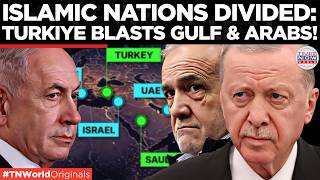
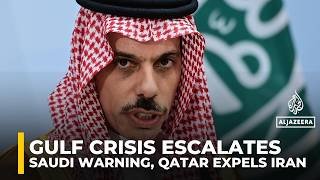
The international response has been mixed, with countries like China and Russia advocating for diplomatic solutions, while the U.S. considers further military options. This dynamic creates a complex web of alliances and oppositions.
Impact/Outlook
Short-term impacts include immediate disruptions in oil supply chains and heightened insurance costs for shipping companies operating in the Gulf. Long-term scenarios could see either a de-escalation through diplomatic channels or further militarization of the region.
According to a report by the International Energy Agency, continued instability could lead to a prolonged increase in global energy prices, affecting economic forecasts worldwide.
Practical Implications
For businesses reliant on oil imports, diversifying energy sources and investing in alternative energy technologies are crucial strategies. Governments should enhance maritime security measures and engage in multilateral dialogues to stabilize the region.
Key Takeaways
- Iran's attack on oil tankers is a strategic maneuver in response to economic pressures.
- The Strait of Hormuz remains a critical choke point for global oil supply.
- Global oil markets reacted with immediate volatility, exemplifying the region's influence.
- International responses vary, complicating potential resolutions.
- Businesses should prepare for fluctuating energy costs and supply chain disruptions.
- Long-term stability depends on diplomatic engagement and strategic partnerships.
So what should we do? Stakeholders must prioritize diplomatic efforts and economic strategies to mitigate risks associated with these geopolitical tensions.