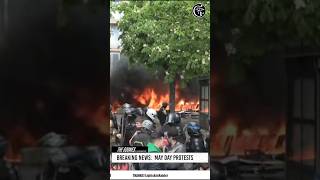
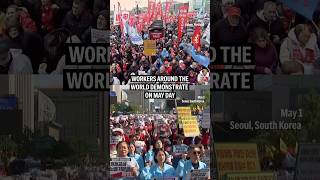
May Day Protests Highlight Global Worker Struggles
May Day protests underscore the escalating challenges faced by workers globally, from rising energy costs due to geopolitical tensions to demands for living wages. Understanding these movements reveals the interconnectedness of economic and political forces shaping today's labor landscape.
Introduction
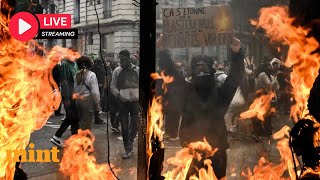
May Day demonstrations capture the global spotlight as workers rally against rising energy costs linked to geopolitical tensions, demanding better wages and conditions.
Historical Context of May Day
International Workers’ Day, celebrated on May 1st, has its roots in the late 19th-century labor movement. It commemorates the Haymarket affair in Chicago, a pivotal moment in the struggle for an eight-hour workday. Over the decades, May Day has evolved into a symbol of workers' rights worldwide, serving as an annual reminder of the ongoing fight for fair labor standards.
Current Situation: Rising Energy Costs
According to recent reports, workers globally are grappling with inflation and increasing energy costs exacerbated by the Iran war. The conflict has disrupted oil supplies, leading to higher prices and strained household budgets. This financial pressure has intensified calls for higher wages to offset diminishing purchasing power.
Deep Analysis: Underlying Causes
The current economic strain on workers is rooted in several structural factors. Geopolitical tensions, such as the ongoing Iran conflict, have disrupted global supply chains, particularly in energy markets. Simultaneously, wage growth has stagnated in many regions, failing to keep pace with inflation and living costs. This disparity highlights the broader systemic issues within the global economy, where economic policies and political decisions significantly impact labor markets.
Impact and Outlook
The short-term outlook for workers remains challenging as energy prices continue to fluctuate with geopolitical developments. Long-term projections suggest that without significant policy interventions to stabilize energy markets and promote fair wages, economic disparities are likely to widen. Governments worldwide are under increasing pressure to address these issues through sustainable economic policies and labor reforms.
Practical Implications for Readers
Individuals and organizations can take several steps to navigate these challenging times. Workers are encouraged to organize and advocate for fair wages and conditions, while businesses should focus on sustainable practices that reduce dependence on volatile energy markets. Policymakers must consider comprehensive reforms to support economic stability and protect vulnerable populations.
Key Takeaways
- May Day protests are a global response to economic pressures linked to rising energy costs.
- Geopolitical tensions, especially involving Iran, are major factors in current economic strains.
- Stagnant wage growth exacerbates financial challenges for workers.
- Short-term economic outlook remains uncertain without policy changes.
- Long-term solutions require coordinated global efforts for stable labor markets.
- Practical steps include advocacy for wage reforms and sustainable business practices.