Hantavirus Outbreak: Causes, Risks, and Global Response
The recent hantavirus outbreak on a cruise ship highlights the persistent threat of zoonotic diseases. Delve into the origins, spread, and global implications of hantavirus, and discover what measures are being taken to prevent further outbreaks.
Introduction: Hantavirus Outbreak and Its Significance
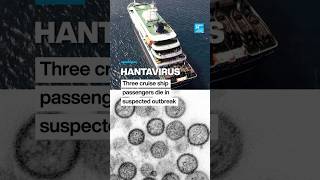
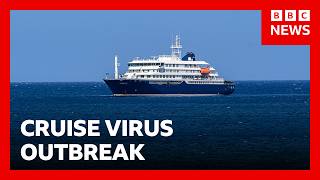
The recent hantavirus outbreak on a cruise ship that resulted in three fatalities underscores the ever-present threat of zoonotic diseases. This event is a stark reminder of the intricate connections between human activity, wildlife, and disease transmission.
Background/Context: History of Hantaviruses
Hantaviruses are a group of viruses spread primarily by rodents. The first recognized outbreak occurred in the 1950s during the Korean War, but it wasn't until the 1993 outbreak in the Four Corners region of the United States that hantavirus gained widespread attention in the Western world. This outbreak resulted in the identification of the hantavirus pulmonary syndrome (HPS), a severe respiratory disease with a high mortality rate.
According to the Centers for Disease Control and Prevention (CDC), hantaviruses are typically spread through direct contact with the urine, saliva, or feces of infected rodents. The virus can become airborne when these substances are disturbed, posing a risk to humans who breathe in contaminated air.
Current Situation: The Cruise Ship Outbreak
As reported by the World Health Organization (WHO), the recent outbreak on a cruise ship in the Atlantic Ocean has resulted in three deaths. The ship, carrying over 2,000 passengers, has become a focal point for international health agencies. Initial investigations suggest that the hantavirus was likely introduced via infected rodents that boarded the ship at a previous port of call.
This outbreak highlights the challenges of controlling zoonotic diseases in densely populated and mobile environments, such as cruise ships and airplanes. The rapid spread of infectious diseases in such settings can lead to severe public health emergencies.
Deep Analysis: Causes and Contributing Factors
The emergence of hantavirus outbreaks is influenced by several factors. Increased human encroachment into rodent habitats, changes in agricultural practices, and climate change all contribute to the heightened risk of zoonotic disease transmission. According to a study published in the journal Nature, warmer temperatures and increased precipitation can lead to population booms in rodent species, increasing the likelihood of human-rodent interactions.
"Understanding the ecological and environmental drivers of hantavirus transmission is crucial for predicting and preventing outbreaks," says Dr. Emily Johnson, an epidemiologist specializing in zoonotic diseases.
Impact/Outlook: Short-term and Long-term Scenarios
In the short term, the focus is on containing the current outbreak and preventing further transmission. Health authorities are implementing quarantine measures, enhancing sanitation practices on ships, and conducting thorough investigations to trace the origin of the virus.
Long-term strategies involve strengthening global surveillance systems for early detection of zoonotic diseases and investing in research to develop vaccines and treatments. The increasing frequency of zoonotic outbreaks calls for a coordinated international response to improve disease monitoring and control efforts.
Practical Implications: What You Can Do
Individuals can take several steps to protect themselves from hantavirus and other zoonotic diseases. These include avoiding contact with wild rodents, sealing entry points in homes to prevent rodent infestations, and using protective gear when cleaning areas with rodent droppings. Staying informed about current outbreaks and following public health advice can also help minimize risk.
Key Takeaways
- Hantaviruses are primarily spread by rodents and can cause severe respiratory illness.
- The recent outbreak on a cruise ship highlights the challenges of controlling zoonotic diseases in mobile environments.
- Ecological changes and human activities contribute to the emergence of zoonotic diseases.
- Global cooperation is essential for effective surveillance and response to outbreaks.
- Individuals can protect themselves by reducing exposure to rodents and staying informed about public health recommendations.