Wildfire Smoke and Cancer: Emerging Health Threat
Wildfire smoke is increasingly recognized as a significant health threat, potentially contributing to cancer risks. This article explores the latest research, expert insights, and health implications, providing readers with a comprehensive understanding of the issue and actionable steps to mitigate exposure.

Introduction
As the frequency and intensity of wildfires escalate globally, there is mounting concern about the health impacts of wildfire smoke, particularly its potential role in increasing cancer risks. This has emerged as a pressing issue, with implications for public health policy and individual health practices.
Background/Context
The increase in wildfire occurrences is linked to climate change, which has led to hotter, drier conditions in many regions. Historically, wildfires have been a part of natural ecological cycles, but human activities, land management practices, and climate shifts have altered their frequency and intensity. According to the National Interagency Fire Center, the United States alone has seen a significant rise in the number and size of wildfires over the past few decades.
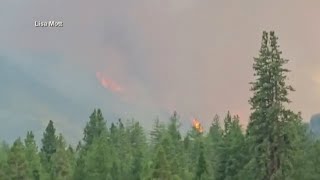
This phenomenon is not limited to the U.S.; countries like Australia, Brazil, and Greece have also experienced devastating fires. The smoke from these fires is a complex mixture of gases and fine particles from burning vegetation, building materials, and other substances.
Current Situation
Recent studies, including one published in the Journal of the American Medical Association, have started to quantify the health impacts of wildfire smoke exposure. For instance, data from the California Department of Public Health indicates a correlation between increased exposure to wildfire smoke and respiratory issues, cardiovascular diseases, and now, potential cancer risks.
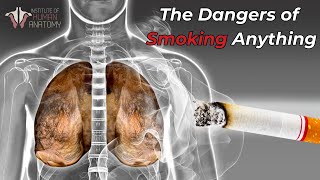
According to experts, the particulate matter in wildfire smoke can penetrate deep into the lungs and enter the bloodstream, leading to inflammation and potentially contributing to cancer development. As cigarette smoking decreases, researchers suggest that wildfire smoke could become a more prominent factor in cancer epidemiology.
Deep Analysis
The carcinogenic potential of wildfire smoke is primarily linked to polycyclic aromatic hydrocarbons (PAHs), which are known to have mutagenic properties. Industry sources point out that the concentration of PAHs can vary based on the materials burned and the conditions of the fire.
Moreover, the socio-economic factors play a role in exposure levels. Communities in rural and economically disadvantaged areas may face higher exposure due to proximity to fire-prone regions and limited access to healthcare resources. This raises questions about environmental justice and the need for targeted public health interventions.
Impact/Outlook
In the short term, increased awareness of the cancer risks associated with wildfire smoke could lead to more robust public health campaigns and policy changes aimed at reducing exposure. Long-term projections suggest that as wildfires continue to increase in frequency, the associated health costs could rise substantially.
Proactive measures, such as improved building codes, enhanced air filtration systems, and community evacuation plans, are being discussed as ways to mitigate these risks. However, significant investment in these areas is required to keep pace with the growing threat.
Practical Implications
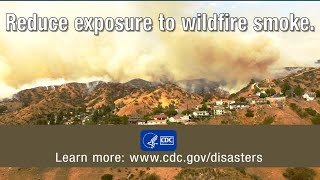
Individuals can take several steps to protect themselves from wildfire smoke exposure. The Centers for Disease Control and Prevention (CDC) recommends staying indoors during high smoke periods, using air purifiers, and wearing N95 masks when going outside.
Additionally, policymakers need to prioritize funding for research into the health impacts of wildfire smoke and development of technology to better predict and manage wildfire outbreaks. Collaboration between governmental and non-governmental organizations is crucial to effectively address this issue.
Key Takeaways
- Wildfire smoke is increasingly recognized as a significant health risk, potentially contributing to cancer.
- Climate change and human activities have led to more frequent and intense wildfires globally.
- Particulate matter and PAHs in smoke pose direct health hazards, with long-term exposure linked to cancer.
- Vulnerable communities may face disproportionate exposure risks, highlighting environmental justice concerns.
- Short-term and long-term strategies are needed to mitigate health impacts, including public health campaigns and policy changes.
- Individuals can reduce exposure by staying indoors during smoke events and using protective measures like air purifiers and masks.