UK's Bold Smoking Ban: Future of Public Health
The UK's proposed smoking ban for those born after 2008 marks a groundbreaking move in public health policy. This comprehensive analysis explores its potential impacts, challenges, and the broader implications for society. Discover why this initiative matters now more than ever.
Introduction
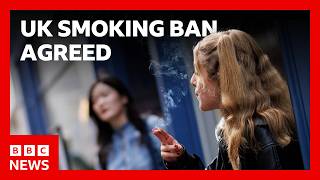
The United Kingdom is taking a bold step in public health by proposing a ban on smoking for anyone born after 2008. This landmark initiative aims to curb smoking-related health issues and could set a precedent for global public health policy.
Background and Context
The UK's move to ban smoking for future generations stems from a long history of tobacco regulation. Since the 1960s, public health campaigns have highlighted the dangers of smoking, leading to gradual restrictions such as advertising bans and smoke-free public spaces. Data from the World Health Organization indicates that tobacco use is responsible for over 8 million deaths annually worldwide, with significant economic costs associated with treating smoking-related illnesses.
Historically, the UK has been at the forefront of tobacco control, implementing some of the world's toughest anti-smoking laws. The proposal to ban smoking for future generations aligns with the country's goal of achieving a smoke-free generation, as outlined in the government's 'Tobacco Control Plan', which aims to reduce smoking prevalence to 5% or less by 2030.
Current Situation
As of now, the proposal is being debated in the UK Parliament, with significant support from public health experts and organizations. According to a recent survey by Public Health England, a majority of the public supports stricter tobacco control measures. However, the proposal faces opposition from tobacco companies and some libertarian groups who argue that it infringes on personal freedoms.
The legislative process is complex, involving multiple stakeholders, including health professionals, policymakers, and the tobacco industry. Industry sources indicate that tobacco companies are lobbying against the ban, citing potential economic impacts and the risk of a black market for tobacco products.
Deep Analysis
Several factors drive the UK's aggressive stance on tobacco control. The health benefits of reducing smoking rates are well-documented, with data from the National Health Service showing that smoking cessation significantly reduces the risk of chronic diseases such as cancer and heart disease. Additionally, the economic burden of smoking-related health care is a critical consideration, with estimates suggesting that smoking costs the NHS over £2.5 billion annually.
Furthermore, the proposal reflects a broader trend towards preventative health care, emphasizing lifestyle changes to reduce disease burden. Experts argue that this proactive approach is necessary to address the increasing demand on health services and to improve population health outcomes.
Impact and Outlook
If implemented, the smoking ban could have far-reaching implications for public health and tobacco control globally. Short-term outcomes may include a reduction in smoking prevalence among young people and increased awareness of the health risks associated with smoking. In the long term, the ban could contribute to a significant decline in smoking-related diseases and associated health care costs.
However, challenges remain. The enforcement of such a ban poses logistical difficulties, and there are concerns about the potential for illegal tobacco markets. Internationally, the UK's move could inspire other countries to adopt similar measures, contributing to a global shift towards stricter tobacco control policies.
Practical Implications
For individuals and communities, the proposed ban offers an opportunity to reassess attitudes towards smoking and health behavior. Public health campaigns will likely play a crucial role in supporting smoking cessation efforts and educating the public about the benefits of a smoke-free lifestyle.
Policymakers and health professionals must collaborate to ensure effective implementation and enforcement of the ban. This includes developing robust regulatory frameworks and providing support for those affected by the changes.
Key Takeaways
- The UK's proposed smoking ban represents a significant shift in public health policy, with the potential to improve health outcomes.
- Historical tobacco control measures have paved the way for this bold initiative, which aligns with global trends in preventative health care.
- While the proposal faces opposition, public support and evidence of health benefits bolster its case.
- Successful implementation will require careful planning, enforcement, and international cooperation.
- Overall, the ban could set a precedent for future tobacco control policies worldwide, emphasizing the importance of proactive public health strategies.
Conclusion
The UK's move to ban smoking for future generations is a landmark decision with potentially transformative impacts on public health. As discussions continue, it remains crucial to balance regulatory measures with individual freedoms and consider the broader implications for society. Ultimately, this initiative highlights the importance of innovative policy solutions in addressing complex health challenges.