Severe Weather Threats: Tornadoes & Flooding Explained
As severe weather, including tornadoes and flooding, threatens the Plains and Midwest, understanding these phenomena is crucial. This article delves into the science of tornado formation, historical precedents, and the potential impacts on communities, providing readers with valuable insights and preparedness strategies.
Introduction
Severe weather, including the threat of strong tornadoes and flooding rain, is once again a pressing concern for residents across the Plains and Midwest. This article explores the complex dynamics of these weather events and their potential impact on communities.
Background: The Science of Severe Weather
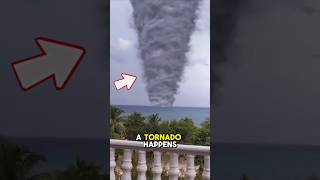
Tornadoes are one of nature's most violent storms, capable of immense destruction with wind speeds exceeding 200 miles per hour. Historically, the United States has experienced some of the most devastating tornadoes, with the Great Plains region, often referred to as 'Tornado Alley,' being particularly prone to these events.
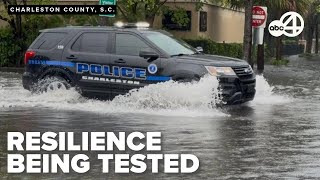
Flooding, on the other hand, is a more widespread concern, often resulting from prolonged rainfall or storms overwhelming water bodies and drainage systems. The Midwest's flat terrain and network of rivers can exacerbate this issue, leading to significant economic and infrastructural damage.
Current Situation: A Closer Look at the Data
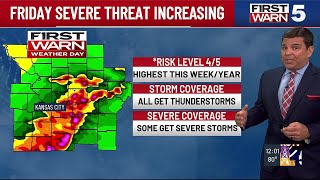
According to the National Weather Service, the ongoing severe weather conditions are the result of a potent storm system moving across the central United States. Meteorologists have highlighted the potential for supercell thunderstorms, which are notorious for spawning tornadoes and bringing heavy rainfall.
Recent data from the Storm Prediction Center indicates an elevated risk of severe storms, with specific areas under a tornado watch. Communities are being urged to remain vigilant and prepare for possible evacuations.
Deep Analysis: Factors Contributing to Severe Weather
The formation of severe weather events is influenced by multiple atmospheric conditions, including temperature gradients, humidity levels, and wind shear. For tornadoes, the collision of warm, moist air from the Gulf of Mexico with cold, dry air from Canada creates the ideal conditions for storm development.
Flooding is often exacerbated by urbanization, which reduces natural drainage and increases runoff. Climate change is also playing a role, with increasing temperatures leading to more intense and frequent weather events.
Impact/Outlook: What to Expect
In the short term, communities can expect disruptions from severe weather, including power outages, property damage, and potential injuries. Long-term impacts may include changes in local ecosystems and increased insurance costs.
The outlook for severe weather suggests a potential increase in the frequency of such events due to climate change. As a result, there is a growing emphasis on improving infrastructure resilience and emergency preparedness.
Practical Implications: How to Prepare
Residents in vulnerable areas are encouraged to develop emergency plans, including having a designated safe room and a supply kit with essentials. Staying informed through reliable sources and understanding local warning systems can significantly enhance safety.
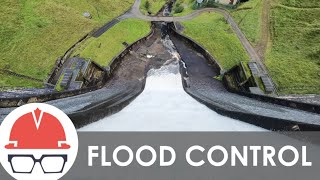
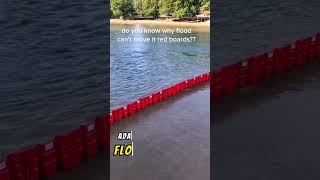
Communities can also invest in flood mitigation strategies, such as improved drainage systems and the restoration of natural wetlands, to reduce the impact of future events.
Key Takeaways
- The Plains and Midwest are currently facing severe weather threats, including tornadoes and flooding.
- Tornado Alley is historically prone to violent storms due to specific atmospheric conditions.
- Climate change is likely increasing the frequency and intensity of severe weather events.
- Emergency preparedness and infrastructure resilience are crucial for mitigating impacts.
- Investing in flood mitigation and restoration of natural landscapes can help lessen future risks.