Flood Watch Expands: Brazos Valley's Rising Risk
The Brazos Valley faces escalating flood risks as weather patterns shift. Thorough analysis reveals the historical context, current situation, and future implications of these changes, offering actionable insights for residents and policymakers.
Introduction
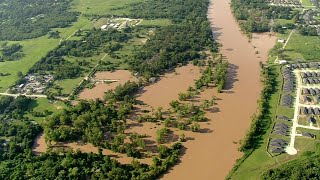
The Flood Watch in the Brazos Valley is expanding, raising urgent concerns about community safety and infrastructure resilience amidst shifting weather patterns.
Background/Context
The Brazos Valley has a complex history of flooding due to its geographical and climatic conditions. Situated in a flood-prone region of Texas, the area experiences significant rainfall events that are amplified by its proximity to the Brazos River. Historical data from the National Weather Service indicates recurring flood events, notably the devastating floods of 2016 and 2019, which caused extensive damage and prompted a reevaluation of flood preparedness strategies.
Current Situation
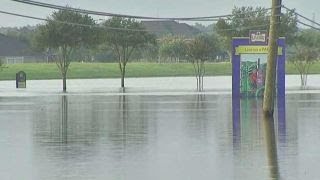
As of this week, a Flood Watch is in effect for the Brazos Valley, with meteorologists predicting an increase in precipitation due to a slow-moving weather front. According to the National Weather Service, rainfall totals could exceed 6 inches in certain areas, exacerbating already saturated grounds. Emergency management officials are on high alert, coordinating with local governments to prepare for potential evacuations and road closures. Recent satellite imagery from NOAA shows significant cloud formation, indicative of the heavy rain expected to persist over the coming days.
Deep Analysis
Several factors contribute to the heightened flood risk in the Brazos Valley. Climate change has led to more intense and frequent weather events, altering precipitation patterns. Urban development has also played a role, reducing the natural land cover that helps absorb rainwater. The region's infrastructure, often outdated, struggles to handle the increased water flow, as evidenced by the repeated breaches of levees during past flood events. Stakeholders including local governments, the Army Corps of Engineers, and environmental groups are grappling with these challenges, each with differing priorities and resources.
Impact/Outlook
The immediate impact of the Flood Watch is the threat to life and property, with numerous homes and businesses at risk. In the long term, the Brazos Valley may see changes in land use regulations and infrastructure investments aimed at improving flood resilience. Data from the Texas Water Development Board suggests a need for significant investment in flood control measures, potentially exceeding $1 billion. Experts warn that without proactive measures, the frequency and severity of flooding will likely increase, posing ongoing challenges for residents and local economies.
Practical Implications
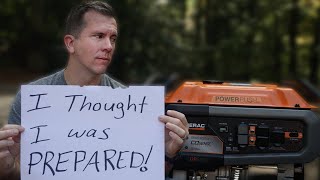
Residents in the Brazos Valley should stay informed through local news and weather updates, and prepare for possible evacuations by assembling emergency kits and identifying safe locations. Policymakers must prioritize funding for infrastructure improvements and advocate for comprehensive flood management plans. Additionally, community education initiatives can enhance public awareness of flood risks and promote proactive preparedness.
Key Takeaways
- The Brazos Valley is under an expanding Flood Watch due to significant rainfall forecasts.
- Historical flooding events underscore the region's vulnerability.
- Climate change and urban development are key contributors to increased flood risks.
- Short-term impacts include property damage and potential evacuations.
- Long-term solutions require substantial infrastructure investments and policy shifts.
- Residents should prepare for emergencies and stay informed about weather developments.