Spirit Airlines Faces Possible Shutdown Amid Aid Talks
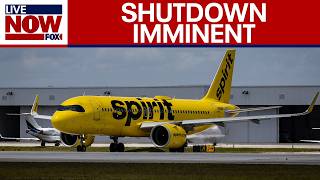
Spirit Airlines is facing potential shutdown due to stalled negotiations over a $500 million government aid package. This article delves into the complexities of the airline's financial struggles, stakeholder dynamics, and the broader implications for the aviation industry.
Introduction
Spirit Airlines is currently facing the possibility of shutting down operations as negotiations for a $500 million government aid package have stalled. This situation is critical as it affects not only the airline's future but also has broader implications for the aviation industry and economy.
Background/Context
Spirit Airlines, known for its low-cost model, has been navigating turbulent skies long before the current financial predicament. Historically, the airline has focused on offering budget-friendly flights, which has enabled it to capture a significant market share among cost-conscious travelers. However, this model is heavily reliant on high passenger volumes to maintain profitability.
Over the years, the airline industry has faced numerous challenges, including fluctuating fuel prices, labor disputes, and the impact of global events such as the COVID-19 pandemic. For Spirit Airlines, these challenges have been exacerbated by its tight margins and limited financial reserves, making external financial support crucial for its survival in times of crisis.
Current Situation
According to CBS News, negotiations over a $500 million government aid package for Spirit Airlines have stalled, primarily due to bondholders' concerns over the terms. The potential shutdown of the airline could occur as soon as Saturday, which has created an urgent need for resolution.
The aid package was expected to provide Spirit Airlines with the necessary liquidity to continue operations while navigating the current economic landscape. However, the hesitancy from bondholders indicates a lack of confidence in the airline's ability to recover and meet its financial obligations.
Industry sources indicate that the airline's current financial struggles are compounded by increased competition and rising operational costs, making it challenging to sustain its low-cost model without external support.
Deep Analysis
The underlying causes of Spirit Airlines' current predicament can be traced to several factors. First, the airline's aggressive expansion strategy, while initially successful, has led to overextension in a volatile market. Additionally, the reliance on debt to finance operations has increased financial vulnerability, particularly in the face of unexpected disruptions.
Stakeholder dynamics play a crucial role in the ongoing negotiations. Bondholders, who are typically focused on securing their investments, are wary of agreeing to terms that do not adequately protect their interests. This has created a stalemate in the negotiations, with the airline's management struggling to balance the demands of creditors with the operational needs of the company.
Power structures within the airline industry also influence the situation. With larger airlines better positioned to weather economic downturns due to diversified revenue streams and stronger financial reserves, Spirit Airlines finds itself at a disadvantage.
Impact/Outlook
In the short term, the potential shutdown of Spirit Airlines could have significant repercussions for the U.S. aviation market. It would reduce competition, potentially leading to higher airfares and reduced options for travelers, particularly in markets where Spirit has a strong presence.
In the long term, this situation highlights the need for airlines to reassess their financial strategies and build more resilient business models. The industry may see a shift towards consolidation, with struggling carriers either merging with or being acquired by more financially stable airlines.
Evidence-based projections suggest that unless Spirit Airlines can secure the necessary aid or alternative financing, its future remains uncertain. The outcome of the negotiations will likely set a precedent for how financially distressed airlines navigate similar challenges in the future.
Practical Implications
For stakeholders within the airline industry, this situation underscores the importance of financial prudence and strategic planning. Airlines must consider diversifying their revenue streams and building financial buffers to withstand economic shocks.
Travelers should remain informed about potential changes in airline operations and explore alternative options to ensure travel plans are not disrupted.
Policymakers may need to evaluate the frameworks for providing aid to airlines, ensuring that support mechanisms are effective and balance the interests of creditors, employees, and consumers.
Key Takeaways
- Spirit Airlines is facing potential shutdown due to stalled aid negotiations.
- Bondholder concerns over financial terms are central to the negotiation stalemate.
- Short-term impacts include reduced competition and potential fare increases.
- Long-term implications may drive industry consolidation and strategy shifts.
- Stakeholders must prioritize financial resilience and strategic planning.
- Policymakers may need to reassess aid frameworks for distressed airlines.
- Travelers should stay informed and consider alternative travel options.