Euro Zone Inflation Surges: Economic Impacts
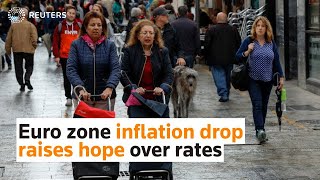
Euro zone inflation has jumped to 3% amidst near-stalled economic growth. This article delves into the causes, implications, and future outlook of the inflation spike, offering a comprehensive analysis on how it could affect both the euro zone and global markets.

Introduction
Euro zone inflation has surged to 3%, raising concerns about economic stability amid stagnating growth. This development is significant as it highlights potential challenges for monetary policy and financial markets.
Background/Context
The euro zone has experienced fluctuating inflation rates over the past decade. Historically, inflation has been kept in check by the European Central Bank (ECB) through monetary policies. However, recent global economic shifts and supply chain disruptions have pressured inflation upwards.
Data from Eurostat indicates that inflation rates have been volatile, particularly post-2020, due to pandemic-induced economic disruptions. The ECB's target inflation rate is around 2%, making the current 3% figure noteworthy.
Current Situation
The euro zone's inflation rate has reached 3% as reported by CNBC, with economic growth nearly stalling. This inflationary spike has been driven by increased energy costs, supply shortages, and post-pandemic recovery pressures. Countries like Germany and France are experiencing significant price increases in essential goods.
According to industry sources, the energy sector has seen the highest price hikes, with natural gas and electricity prices leading the surge. Data from the International Energy Agency shows a 25% increase in energy prices compared to the previous year.
Deep Analysis
The underlying causes of the current inflation spike can be attributed to several factors. First, the global supply chain disruptions have led to shortages in key commodities, driving prices up. Second, the post-pandemic economic recovery has resulted in increased demand, outpacing supply capabilities.
Additionally, geopolitical tensions, particularly in the energy sector, have contributed to price volatility. The euro zone's reliance on imports for energy and raw materials makes it vulnerable to external shocks.
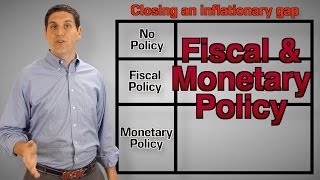
Monetary policy plays a crucial role in this scenario. The ECB's approach towards interest rates and quantitative easing will significantly impact inflation trends. Experts suggest that the ECB may need to consider tightening policies to curb inflation.
Impact/Outlook
In the short term, the inflationary pressures may lead to increased costs for consumers and businesses, potentially slowing economic growth further. In the long term, sustained high inflation could erode purchasing power and lead to interest rate hikes by the ECB.
The global impact is also significant, as the euro zone is a major player in international trade. Persistent inflation could affect global supply chains and trade dynamics, influencing economic policies worldwide.
Practical Implications
For businesses operating in the euro zone, it's crucial to implement strategies that mitigate inflation risks. This includes diversifying supply sources, implementing cost-control measures, and adopting flexible pricing strategies.
Consumers can protect themselves by budgeting effectively and investing in inflation-protected assets. Understanding the dynamics of inflation and its potential impact on personal finances is key.
Key Takeaways
- Euro zone inflation has surged to 3%, driven by energy costs and supply shortages.
- The ECB's monetary policy will be pivotal in addressing inflationary pressures.
- Businesses and consumers need to adopt strategies to mitigate inflation risks.
- Global economic implications are significant, affecting trade and market stability.
- Sustained high inflation could lead to long-term economic challenges in the euro zone.
- Understanding inflation dynamics is crucial for financial planning and risk management.