Gen Z's Disillusionomics: Reinventing the Economy
Generation Z is charting a new economic course, termed 'disillusionomics', as they grapple with significant student debt and a challenging job market. This comprehensive analysis explores how this generation is transforming financial survival into a list of diverse income streams. Discover the strategies and mindsets driving Gen Z's economic rebellion.

Introduction
Generation Z is redefining economic participation through a concept dubbed 'disillusionomics', a response to mounting student debt and a volatile job market. Understanding this shift is crucial for grasping future economic trends.
Background/Context
Historically, each generation has faced unique economic challenges. Millennials, for instance, grappled with the aftermath of the Great Recession. Now, Gen Z, born between 1997 and 2012, encounters a landscape marked by pandemic-induced disruptions and technological advancements. According to the Pew Research Center, this cohort is the most racially and ethnically diverse, and their economic outlook reflects their distinctive experiences and values.
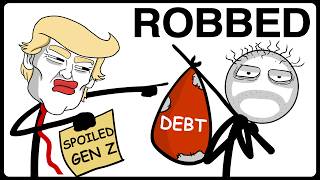
The term 'disillusionomics' reflects Gen Z's disenchantment with traditional economic models that promised prosperity in exchange for higher education and stable employment. The reality, however, has been different, with many facing near six-figure student debts and precarious job prospects.
Current Situation
Data from the Federal Reserve indicates that student loan debt in the U.S. has reached over $1.7 trillion, a burden disproportionately affecting Gen Z. Industry sources indicate this has led to innovative financial strategies among young adults. Many are turning to side hustles, gig economy jobs, and digital entrepreneurship as viable income streams. A 2023 survey by Deloitte found that over 70% of Gen Z workers are engaged in at least one freelance or gig job in addition to their primary employment.
Examples abound, such as 25-year-old entrepreneur Alex, who, alongside a full-time job, monetizes his social media presence and sells digital art online. These activities diversify his income and mitigate financial risk, a common strategy among his peers.
Deep Analysis
The shift towards 'disillusionomics' is driven by several factors. Firstly, the traditional career ladder has become less accessible due to automation and outsourcing. Secondly, the gig economy offers flexibility and autonomy, appealing to a generation that values work-life balance. Research from McKinsey highlights that over 60% of Gen Z prioritize personal fulfillment over monetary gain.
Furthermore, this economic rebellion reflects a broader distrust in established systems. According to a 2022 Edelman survey, trust in government and financial institutions among Gen Z is at an all-time low. This skepticism fuels their drive to create self-sustaining financial ecosystems outside conventional frameworks.
Impact/Outlook
In the short term, this economic model could lead to greater financial independence for Gen Z, as they reduce reliance on single income sources. However, there are risks, including lack of benefits and job security associated with gig work. Long-term implications might include a permanent shift in employment patterns, influencing policy changes around labor rights and education.
Experts from the Brookings Institution suggest that governments and businesses may need to adapt by providing more flexible work arrangements and enhancing digital literacy training to support this evolving workforce.
Practical Implications
For individuals, adopting a 'disillusionomics' mindset involves diversifying income sources and investing in skill development. Practical steps include:
- Identifying and pursuing side hustles that align with personal skills and interests.
- Enhancing digital skills through online courses and certifications.
- Building a strong personal brand on social media platforms to expand professional networks and opportunities.
For policymakers, addressing the root causes of financial insecurity and promoting entrepreneurship can support Gen Z's economic resilience.
Key Takeaways
- Gen Z is pioneering 'disillusionomics' as a response to financial instability and traditional economic failures.
- Student debt and job market challenges are key drivers of this shift.
- Diversified income streams through side hustles and gig work define Gen Z's economic strategy.
- Long-term outcomes may include significant changes in employment patterns and policy adaptations.
- Practical actions include skill development and leveraging digital platforms for income diversification.
- Understanding Gen Z's economic behavior is crucial for businesses, policymakers, and educators to adapt to future workforce dynamics.