Safeway Closures: Economic Impact and Future Trends
As Safeway, the 111-year-old grocery giant, plans to close more stores by 2026, the economic ripple effects are becoming a major concern. This article explores the historical context, current situation, and future implications for communities and the grocery industry.

Introduction
Safeway, a prominent player in the grocery industry, is planning additional store closures by 2026, raising concerns about economic impacts and community disruptions.
Background/Context
The Safeway brand has been a cornerstone of the grocery sector since its inception in 1915. Over the decades, it expanded rapidly, becoming a household name across the United States. However, market dynamics and competitive pressures have led to a reevaluation of its footprint.
Historically, Safeway's growth was fueled by strategic acquisitions and an aggressive expansion strategy. However, the rise of e-commerce and changing consumer preferences have posed challenges.
Current Situation
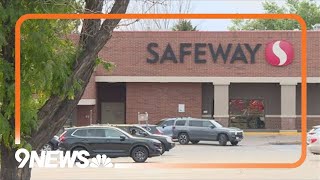
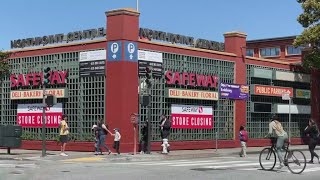
According to industry sources, Safeway is set to close more stores by 2026, affecting numerous communities. Data from the retail sector highlights a trend of consolidation and cost-cutting as companies aim to remain competitive.
The closures are primarily driven by underperforming locations and a strategic shift towards more profitable markets. This trend is not isolated to Safeway, as other major retailers face similar pressures.
Deep Analysis
The underlying causes of these closures can be traced to several factors. Firstly, the intense competition from online grocery platforms has eroded traditional market share. Companies like Amazon and Walmart have revolutionized grocery shopping by offering convenient delivery services.
Secondly, consumer behavior shifts towards healthier, organic, and locally-sourced products have pressured traditional grocery stores to adapt rapidly. Safeway's inability to fully capitalize on these trends has necessitated strategic adjustments.
Stakeholder Dynamics
Multiple stakeholders are affected by these closures, including employees, local communities, and suppliers. For employees, job losses are an immediate concern, while communities worry about the loss of accessible food sources. Suppliers face reduced demand and potential renegotiations of contracts.
Impact/Outlook
In the short-term, affected communities may experience increased food deserts, leading to higher food insecurity. Economically, local businesses could suffer a decline in foot traffic, impacting their viability.
Long-term projections indicate a continued trend towards digital grocery solutions and small-format stores. Safeway's closures could set a precedent for other retailers to follow suit, reshaping the grocery landscape.
Practical Implications
For consumers, embracing online grocery shopping might become increasingly necessary. Communities can advocate for policies that attract alternative grocery solutions to mitigate food access issues.
Retailers should focus on integrating technology and enhancing customer experience to remain competitive. Diversifying product lines to include more organic and local options could also attract a broader customer base.
Key Takeaways
- Safeway is planning to close more stores by 2026 due to competitive pressures and changing consumer habits.
- The closures may lead to increased food deserts and economic challenges for affected communities.
- Online grocery platforms continue to disrupt traditional retail models.
- Stakeholders include employees, local communities, and suppliers, all facing distinct impacts.
- Retailers must adapt by embracing technology and focusing on consumer experience.
- Long-term trends indicate a shift towards digital solutions and small-format stores.