Iranian Tensions Impact Global Stock Markets
As tensions escalate in Iran, global stock markets are feeling the pressure. This article explores the current situation, the historical context, and potential outcomes for investors and the global economy.
Introduction
The escalating tensions in Iran are impacting global stock markets, raising concerns among investors worldwide. Understanding the implications of this situation is crucial for economic stakeholders and policy makers.
Background/Context
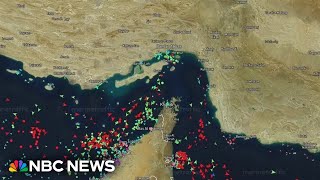
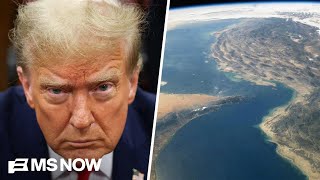
The geopolitical landscape in the Middle East has historically been a volatile region, with Iran playing a central role due to its strategic location and oil reserves. The Strait of Hormuz, a critical shipping route for global oil supply, has often been a focal point of conflict and negotiation.
Historically, conflicts in Iran have led to fluctuations in global oil prices and stock markets. For instance, the 1979 Iranian Revolution caused a significant spike in oil prices, leading to global economic repercussions.
Current Situation
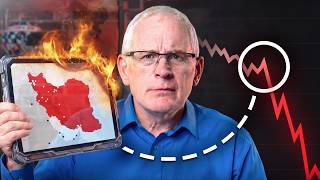
As of now, the tensions in Iran show no signs of abating. According to reports, the Iranian government is doubling down on its stance to close the Strait of Hormuz, a move that could severely disrupt global oil supplies.
Stock futures have declined as investors react to the ongoing situation. The Dow Jones Industrial Average and other major indices have shown volatility, reflecting the market's uncertainty.
Deep Analysis
The current tensions can be attributed to multiple factors, including geopolitical power struggles, sanctions, and domestic political pressures within Iran. Industry experts indicate that the situation is exacerbated by recent policy decisions and international diplomatic challenges.
Stakeholder dynamics are complex, involving regional powers, global superpowers, and international organizations. The power structures at play are influenced by both economic interests and geopolitical strategies.
Impact/Outlook
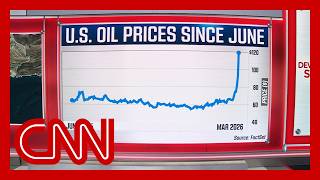
In the short term, investors can expect continued volatility in stock markets and potential increases in oil prices. Long-term scenarios depend on the resolution of current tensions and the ability of international players to broker peace or a strategic stalemate.
Evidence-based projections suggest that a prolonged conflict could lead to a more significant economic downturn, affecting not just the Middle East but global markets.
Practical Implications
Investors should consider diversifying their portfolios to mitigate risks associated with geopolitical volatility. Monitoring real-time news updates and consulting with financial advisors can provide strategic insights.
Policy makers need to engage in diplomatic efforts to de-escalate tensions, ensuring international cooperation and stability in global markets.
Key Takeaways
- Tensions in Iran are creating significant volatility in global stock markets.
- The historical context of Iranian conflicts provides insight into potential economic impacts.
- Current market declines reflect investor concerns over geopolitical instability.
- Long-term economic projections hinge on the resolution of current tensions.
- Investors and policy makers must stay informed and proactive in their strategies.