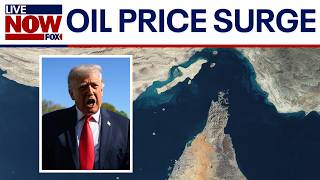
Oil Prices Surge Amid US-Iran Tensions
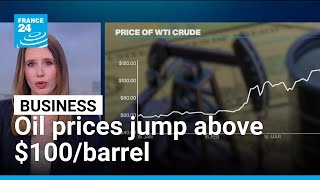
Global oil prices have surged past $100, driven by escalating US-Iran tensions and a failed diplomatic resolution. This article explores the immediate and long-term implications for the global energy market.
Introduction
The price of oil has surged past $100 a barrel following the breakdown of peace talks between the US and Iran. This development is significant as it threatens to exacerbate the existing global energy crisis and impact economies worldwide.
Background/Context
The US-Iran tensions trace back to longstanding geopolitical conflicts exacerbated by disagreements over nuclear programs and regional influence. Historically, similar scenarios have led to volatile oil markets, as seen during the 1970s oil crisis.
Current Situation
According to recent reports, the US plans to blockade Iranian ports, aiming to curb Iran's oil exports. This decision comes after peace talks failed, raising concerns about supply disruptions. Industry sources indicate that this blockade could significantly reduce the global oil supply, pushing prices even higher.
Impact on Global Energy Markets
Data from the International Energy Agency (IEA) shows that Iran contributes approximately 3% of the world's oil supply. A reduction in this supply could strain already tight global inventories, leading to increased competition among oil-importing nations.
Deep Analysis
The underlying causes of this conflict involve complex power dynamics in the Middle East, where Iran's influence is countered by US interests in the region. Stakeholders, including major oil-producing countries and multinational energy corporations, are closely monitoring the situation.
Stakeholder Perspectives
While oil-exporting countries may benefit from higher prices, oil-importing nations could face economic strain. Industry experts suggest that the current scenario could accelerate the transition to alternative energy sources as countries seek to reduce dependence on oil.
Impact/Outlook
Short-term projections indicate continued volatility in oil prices, with potential for further increases if tensions escalate. Long-term, the situation may prompt policy changes aimed at energy diversification and security.
Economic Implications
Higher oil prices could lead to increased inflation, affecting consumer goods and transportation costs. Economists warn that prolonged high prices may slow global economic growth.
Practical Implications
For businesses, this environment requires strategic planning to mitigate risks associated with fluctuating energy costs. Companies are advised to explore energy efficiency measures and alternative energy sources.
Consumer Advice
Consumers can expect higher fuel prices, impacting travel and commuting costs. Planning and budgeting for these changes will be essential in the coming months.
Key Takeaways
- Oil prices have surged past $100 due to US-Iran tensions.
- The US blockade of Iranian ports may exacerbate global supply issues.
- Stakeholders include oil-producing and importing nations, as well as multinational corporations.
- Long-term impacts may drive a shift toward alternative energy sources.
- Consumers and businesses should prepare for increased energy costs.
- Continued geopolitical instability is likely to affect global economic growth.
- Strategic planning is essential to navigate the current energy landscape.