IMF's $700M Deal with Sri Lanka: A Turning Point
The IMF's recent $700 million funding agreement with Sri Lanka marks a potentially transformative moment for the island nation. With the deal aimed at stabilizing a struggling economy, we explore the historical context, current challenges, and potential impacts on Sri Lanka's economic landscape.

Introduction
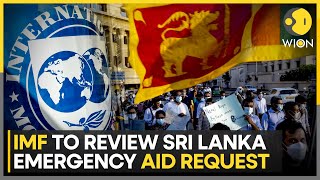
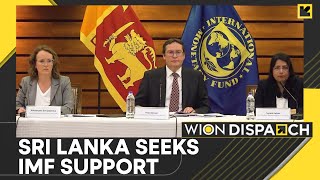
The International Monetary Fund (IMF) has struck a staff-level agreement to provide $700 million in funding to Sri Lanka, a critical development as the nation grapples with economic instability. This agreement matters now because it could be a catalyst for economic recovery in Sri Lanka, which has faced significant financial challenges in recent years.
Background/Context
Sri Lanka's economic struggles have deep roots. The nation has faced challenges due to a combination of factors, including past fiscal mismanagement, a heavy debt burden, and external shocks such as the COVID-19 pandemic. Historically, Sri Lanka has relied on international financial institutions like the IMF to stabilize its economy and implement structural reforms.
According to data from the World Bank, Sri Lanka's GDP growth has fluctuated significantly over the past decade, with economic crises exacerbated by political instability and natural disasters. The IMF has previously intervened with financial assistance to help guide necessary reforms and ensure economic stability.
Current Situation
The current agreement with the IMF comes at a time when Sri Lanka's economy is under severe strain. Recent reports indicate that inflation is at an all-time high, and foreign exchange reserves are critically low. The $700 million funding is expected to provide a much-needed financial buffer to stabilize the economy.
This agreement is part of a broader package that includes structural reforms aimed at enhancing fiscal discipline, improving public financial management, and strengthening the financial sector. Industry sources indicate that these measures are crucial for restoring investor confidence and promoting sustainable economic growth.
Deep Analysis
The underlying causes of Sri Lanka's economic woes are complex. Fiscal deficits have been a persistent issue, compounded by inefficient tax systems and high levels of public debt. The IMF's involvement is seen as a necessary step to address these structural weaknesses.
Stakeholder dynamics play a significant role in the implementation of these reforms. The Sri Lankan government, international financial institutions, and domestic economic stakeholders must collaborate to ensure the successful execution of the IMF's recommendations. The power structures within Sri Lanka, including political parties and business leaders, will influence the pace and effectiveness of these reforms.
Impact/Outlook
In the short term, the IMF's funding is likely to provide immediate relief to Sri Lanka's financial situation, helping to stabilize the currency and control inflation. However, the long-term success of this deal depends on the implementation of structural reforms and the government's commitment to fiscal discipline.
Evidence-based projections suggest that if Sri Lanka successfully implements the proposed reforms, it could see a gradual recovery in GDP growth and improvements in investor confidence. However, failure to do so could result in prolonged economic challenges and potential social unrest.
Practical Implications
For Sri Lankan policymakers, the IMF deal presents an opportunity to reset the economic agenda and focus on sustainable development. Business leaders should prepare for potential policy shifts and align their strategies to capitalize on emerging opportunities.
Individuals can expect changes in the economic landscape, including potential adjustments in taxation and public services. It is crucial for citizens to stay informed about these developments and engage in dialogue about the nation's economic future.
Key Takeaways
- The IMF's $700 million funding deal is a crucial step for Sri Lanka's economic recovery.
- Historical fiscal mismanagement and external shocks have contributed to the current economic crisis.
- The agreement includes structural reforms aimed at improving fiscal discipline and financial management.
- Successful implementation of these reforms could lead to economic stabilization and growth.
- Stakeholder collaboration and commitment are essential for realizing the deal's potential benefits.
- Citizens and businesses must prepare for potential policy changes and align strategies accordingly.