Lyrid Meteor Shower 2026: A Celestial Spectacle
The Lyrid Meteor Shower, an annual celestial event, promises a dazzling display in 2026. This comprehensive guide covers when, where, and how to watch it, along with expert insights into its significance in the astronomical calendar.
Introduction
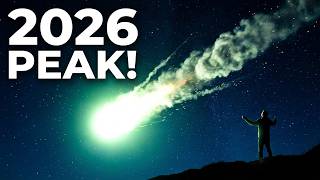
The Lyrid Meteor Shower is set to captivate stargazers worldwide in 2026, offering a spectacular display of meteors lighting up the night sky. This event holds significant importance for both amateur astronomers and seasoned celestial observers, marking one of the first major meteor showers of the year.
Background/Context
The Lyrid Meteor Shower has been observed for over 2,600 years, making it one of the oldest known meteor showers. Named after the constellation Lyra, from which the meteors appear to radiate, the Lyrids are the result of Earth passing through the debris trail left by the comet Thatcher (C/1861 G1). Historical records from ancient China mention the Lyrids as far back as 687 BC, highlighting its longstanding place in human observation of the night sky.
Current Situation
In 2026, the Lyrid Meteor Shower is expected to peak on the night of April 22 into the early hours of April 23. According to the International Meteor Organization, observers in the northern hemisphere will have the best view, with up to 20 meteors per hour predicted under ideal conditions. Data from recent years indicate that the Lyrids can produce bright fireballs, known as bolides, which are particularly engaging for onlookers.
Deep Analysis
The visibility and intensity of the Lyrid Meteor Shower depend on several factors, including the moon phase, atmospheric conditions, and light pollution. In 2026, the peak coincides with a waxing gibbous moon, which may affect visibility. However, the Lyrids are known for their fast and bright meteors that can still be seen despite moonlight interference. This makes understanding the dynamics of meteor showers and the role of comets in the solar system crucial for appreciating such events.
Impact/Outlook
Meteor showers like the Lyrids offer a unique opportunity to engage with the public on astronomical phenomena and inspire interest in space science. The Lyrids' predictability and historical significance make them a focal point for educational outreach and amateur astronomy. Looking ahead, technological advancements in telescopic and imaging equipment are expected to enhance the viewing experience and scientific study of meteor showers.
Practical Implications
For those planning to observe the Lyrid Meteor Shower in 2026, finding a location with minimal light pollution is essential. Use of apps that track meteor activity and provide real-time updates can optimize the viewing experience. Additionally, understanding the optimal times and directions to watch can make the difference between catching a few meteors and a remarkable shower. Organizing community events or joining local astronomy clubs can also enrich the experience.
Key Takeaways
- The Lyrid Meteor Shower is one of the oldest recorded meteor showers, dating back over 2,600 years.
- In 2026, it is projected to peak on April 22-23, offering up to 20 meteors per hour.
- Despite potential interference from a waxing gibbous moon, the Lyrids are known for their bright meteors.
- The event provides excellent opportunities for public engagement in astronomy and science education.
- Optimal viewing requires finding dark locations and understanding meteor shower dynamics.
- Community events and technology can enhance the viewing experience.