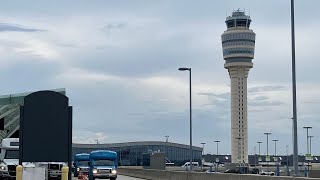
Air Travel Chaos: Atlanta Weather Disrupts Flights
Severe weather conditions in Atlanta have led to over 600 flight cancellations and 4000 delays across major U.S. airports, affecting thousands of passengers. This article explores the causes, the current impact on air travel, and potential solutions for future disruptions.
Introduction
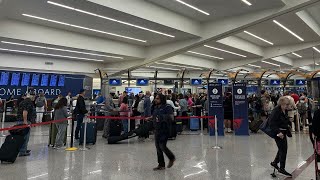
Severe weather conditions in Atlanta are causing significant disruptions in air travel, affecting thousands of passengers across the United States.
Background and Context
Historically, Atlanta has been a critical hub for air travel in the U.S., with Hartsfield-Jackson Atlanta International Airport frequently ranking as one of the busiest in the world. The airport's strategic importance means that any operational disruptions can have widespread ripple effects across the country. According to data from the Federal Aviation Administration, weather-related disruptions account for a significant percentage of flight delays and cancellations each year.
In recent years, climate change has led to more frequent and severe weather events, increasing the likelihood of disruptions. For instance, the National Oceanic and Atmospheric Administration (NOAA) reports a rising trend in extreme weather patterns impacting the Southeast region.
Current Situation
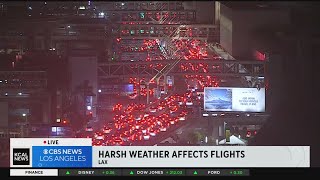
As of today, over 600 flights have been canceled, and more than 4000 flights are delayed, primarily due to severe weather conditions in Atlanta. This has impacted major airlines including Delta, American, United, PSA, and SkyWest. Passengers at major airports such as Houston, Chicago, Dallas, Los Angeles, and Miami are experiencing significant delays, as reported by FlightAware, a flight tracking service.
Industry sources indicate that the situation is exacerbated by a shortage of available crew and ground staff, a lingering effect of the pandemic, which has left many airlines struggling to maintain operational capacity during peak demand periods.
Deep Analysis
The underlying causes of these disruptions are multifaceted. Firstly, the meteorological conditions in Atlanta, characterized by unexpected storms and heavy rainfall, are a direct consequence of larger climatic shifts. According to the Intergovernmental Panel on Climate Change (IPCC), such weather extremes are becoming more common.
Furthermore, the interconnectivity of airline hubs means that delays in one location can cascade through the network, creating a domino effect. The current situation highlights vulnerabilities in the airline industry's capacity to adapt to sudden changes in environmental conditions.
Stakeholder Dynamics
Airlines, passengers, airport authorities, and regulatory bodies are the primary stakeholders affected. Airlines face financial losses and reputational damage, while passengers endure extended wait times and potential missed connections. Regulatory bodies are tasked with ensuring safety while balancing operational efficiency.
Impact and Outlook
In the short term, passengers can expect continued delays and cancellations as airlines work to reallocate resources and manage backlogs. Long-term projections suggest that without significant infrastructural and procedural changes, such disruptions will become more frequent.
Airlines and airport authorities may need to invest in better predictive technologies and more flexible staffing solutions to mitigate future impacts. According to industry experts, implementing more robust contingency plans could help reduce the severity of future disruptions.
Potential Solutions
Investments in advanced weather forecasting technology and improved communication channels between airlines and passengers could alleviate some of the issues currently faced. Additionally, adopting more sustainable practices could help mitigate the impact of climate change on aviation.
Practical Implications
For travelers, staying informed and prepared for potential delays is crucial. Booking flexible tickets, checking flight statuses regularly, and understanding passenger rights can help manage the uncertainty associated with air travel disruptions.
Airlines should focus on enhancing their customer service capabilities to provide timely updates and support. Implementing AI-driven predictive tools could improve operational resilience by allowing for better resource allocation.
Key Takeaways
- Severe weather in Atlanta is causing widespread flight disruptions across the U.S.
- Over 600 flight cancellations and 4000 delays have been reported.
- Climate change is contributing to more frequent extreme weather events.
- Airlines face operational challenges due to staffing shortages.
- Investments in technology and infrastructure are necessary to mitigate future disruptions.
- Travelers should prioritize flexible ticket options and stay informed.
- Airlines need to enhance customer communication and service.