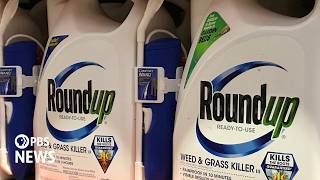
Supreme Court Weighs Roundup Cancer Lawsuits
The U.S. Supreme Court is considering whether to block lawsuits claiming that the weed killer Roundup causes cancer. This decision could shape future product liability cases and affect thousands of cancer victims seeking justice. Understanding the legal, economic, and health implications is crucial for stakeholders.
Introduction
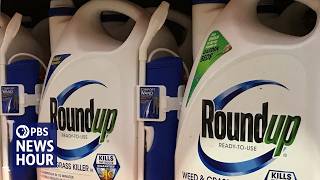
The U.S. Supreme Court is deliberating over whether to block lawsuits against Monsanto, the maker of the weed killer Roundup, which allegedly causes cancer. This decision is pivotal due to its potential to affect thousands of claimants and set a precedent for future product liability cases.
Background/Context
The controversy surrounding Roundup began when studies suggested a link between its active ingredient, glyphosate, and cancer. The International Agency for Research on Cancer classified glyphosate as 'probably carcinogenic' in 2015, leading to a surge in lawsuits. Monsanto, acquired by Bayer AG in 2018, has faced significant legal challenges since then.
Historically, product liability lawsuits have been a means for consumers to seek redress for damages caused by defective or dangerous products. The legal battles over Roundup are among the largest in U.S. history, reflecting the ongoing debate over corporate accountability and consumer protection.
Current Situation
As of now, thousands of lawsuits have been filed against Bayer, with mixed results. Some juries have awarded substantial damages to plaintiffs, while others have ruled in favor of Bayer. According to Reuters, Bayer has agreed to pay over $10 billion to settle many of these claims, though legal proceedings continue.
The Supreme Court's involvement comes after Bayer's appeals to lower court verdicts were unsuccessful. The outcome of this case is being closely watched by legal experts, corporations, and consumer advocacy groups.
Recent Developments
Industry sources indicate that the Supreme Court's decision could hinge on whether federal law preempts state law claims regarding pesticide labeling. This legal nuance could determine the viability of future lawsuits.
Deep Analysis
The underlying issue in these lawsuits is the balance between federal regulatory authority and state-level consumer protections. The Environmental Protection Agency (EPA) has stated that glyphosate is safe when used as directed, a stance that Bayer uses in its defense. However, critics argue that regulatory capture and insufficient testing have compromised the EPA's assessments.
Stakeholders in this case include the agricultural sector, environmental groups, regulatory bodies, and the legal community. Each has vested interests: farmers rely on glyphosate for crop production, while environmentalists push for stricter regulations on harmful chemicals.
Impact/Outlook
In the short term, the Supreme Court's decision could either halt future lawsuits or open Bayer to additional legal challenges. In the long term, this case may influence regulatory policies and corporate strategies regarding product safety disclosures.
If the Court rules in favor of Bayer, it may embolden corporations to challenge state-level consumer protections, citing federal preemption. Conversely, a ruling favoring plaintiffs could lead to increased regulatory scrutiny and inspire similar lawsuits across other industries.
Potential Scenarios
1. Strengthened federal preemption could streamline regulations but limit consumer recourse.
2. A verdict supporting claimants could lead to enhanced labeling requirements and corporate transparency.
Practical Implications
For consumers, staying informed about product safety and regulatory changes is essential. Advocacy for transparent labeling and rigorous testing remains crucial in protecting public health. Legal professionals should monitor this case for its implications on liability and preemption doctrines.
Corporations may need to reassess their compliance strategies, particularly concerning product disclosures and customer communications. Engaging with stakeholders, including environmental and consumer groups, can mitigate reputational risks.
Key Takeaways
- The Supreme Court's decision on Roundup lawsuits will set a critical precedent for product liability and federal preemption.
- Historical context underscores the ongoing tension between regulatory authority and consumer protection.
- Current lawsuits highlight divergent jury verdicts and legal complexities in proving causation.
- Stakeholders include farmers, environmentalists, and legal experts, each with distinct interests.
- Short-term impacts may involve halted lawsuits or increased legal challenges, while long-term effects could reshape regulatory policies.
- Consumers should advocate for transparency and rigorous testing, while corporations must prioritize compliance and stakeholder engagement.