Bolivia's Chikungunya Battle: A Health Crisis Deep Dive
Bolivia is grappling with a chikungunya outbreak in Santa Cruz, a situation demanding urgent attention. Understanding the origins, current challenges, and future implications of this health crisis is essential.
Introduction: Bolivia's Chikungunya Outbreak
Bolivia is currently facing a significant health crisis as it battles a chikungunya outbreak in Santa Cruz. This situation poses serious concerns for public health and requires immediate attention from health authorities and the international community.
Background/Context: Understanding Chikungunya
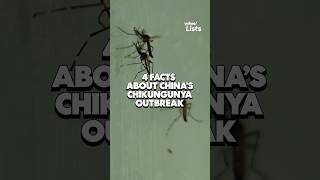
Chikungunya is a viral disease transmitted to humans by infected mosquitoes, primarily Aedes aegypti and Aedes albopictus. According to the World Health Organization, the disease is characterized by sudden onset of fever and severe joint pain. The name 'chikungunya' derives from a word in the Kimakonde language, meaning 'to become contorted', reflecting the physical appearance of those suffering from the disease due to joint pain.
Historically, chikungunya outbreaks have been documented in Africa, Asia, and the Indian subcontinent. However, the disease has spread to the Americas in recent decades, facilitated by global travel and climate change, which have expanded the habitats of the mosquito vectors.
Current Situation: Chikungunya in Santa Cruz
Santa Cruz, Bolivia's largest city, has reported a surge in chikungunya cases, alarming health officials. Data from the Bolivian Ministry of Health indicates that the number of confirmed cases has reached unprecedented levels, prompting an emergency response.
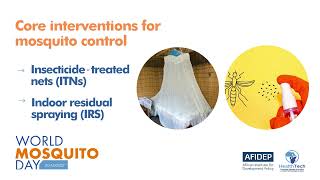
Medical facilities in Santa Cruz are reportedly overwhelmed, struggling to manage the influx of patients. The local government has initiated vector control measures, including fumigation and public awareness campaigns, to reduce mosquito populations and prevent further transmission.
Deep Analysis: Causes and Stakeholder Dynamics
The current outbreak in Santa Cruz can be attributed to several factors. Firstly, the region's tropical climate provides an ideal environment for mosquito breeding. Additionally, urbanization and inadequate sanitation infrastructure contribute to the proliferation of mosquito habitats.
Stakeholders involved in managing this crisis include the Bolivian government, local health authorities, international health organizations, and non-governmental organizations. Coordination among these entities is crucial for effective disease management and resource allocation.
Impact/Outlook: Short and Long-term Scenarios
In the short term, the outbreak poses immediate health risks to the population of Santa Cruz, with potential for widespread transmission if not contained. The healthcare system may face increased pressure, leading to resource strain.
Long-term, the chikungunya outbreak underscores the need for improved vector control strategies and public health infrastructure in Bolivia. Climate change and urbanization trends suggest that such outbreaks may become more frequent, necessitating proactive measures.
Practical Implications: Actions for Readers
For residents in affected areas, personal protective measures such as using mosquito repellent, wearing long sleeves, and ensuring proper sanitation can help reduce the risk of infection. Public health authorities should focus on enhancing vector control efforts and community engagement.
For the international community, providing support in terms of funding, expertise, and resources can bolster Bolivia's response to this crisis. Increased research into chikungunya vaccines and treatments is also imperative.
Key Takeaways
- Chikungunya is a mosquito-borne viral disease causing severe joint pain and fever.
- Santa Cruz, Bolivia, is experiencing a significant chikungunya outbreak, straining local healthcare resources.
- Contributing factors include climate, urbanization, and inadequate infrastructure.
- Coordinated efforts by local and international stakeholders are essential for outbreak management.
- Personal protective measures and enhanced vector control can mitigate risks.
- The outbreak highlights the need for improved public health infrastructure in Bolivia.