Mexico City Sinking: A Looming Water Crisis
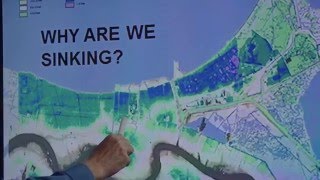
Mexico City is sinking at an alarming rate of 10 inches per year, exacerbating its already critical water crisis. This article delves into the historical, geological, and socio-economic factors contributing to this phenomenon and explores the potential solutions to mitigate its impact.
Introduction
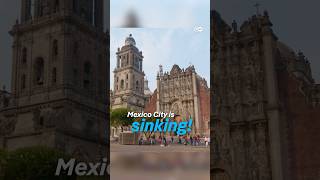
Mexico City is sinking at an unprecedented rate of 10 inches per year, a phenomenon that exacerbates its existing water crisis and poses significant risks to its infrastructure and population. Understanding the causes and implications of this situation is crucial for developing sustainable solutions.
Background and Context
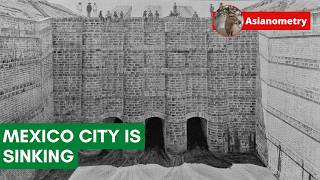
The sinking of Mexico City, also known as subsidence, is not a new phenomenon. Its origins date back to the city's founding on a lakebed by the Aztecs in the 14th century. Over the centuries, the draining of lakes and extraction of groundwater have contributed to its gradual descent.
Historically, the city's reliance on groundwater extraction has been a primary factor in its subsidence. As the city expanded, the demand for water increased, leading to excessive pumping of groundwater and subsequent subsidence.
This issue is further compounded by Mexico City's unique geological makeup. Built on a foundation of soft clay and silt, the city's ground is particularly susceptible to compression and sinking.
Current Situation
Today, Mexico City continues to face a severe water crisis, driven by population growth, climate change, and inefficient water management. According to recent data, the city loses 40% of its water supply due to leaks in its aging infrastructure.
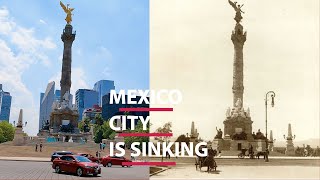
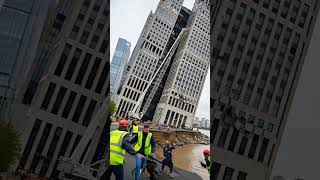
Industry sources indicate that the city's aquifers are being depleted faster than they can be replenished, leading to increased rates of subsidence. This is evidenced by the visible impacts on infrastructure, such as tilted buildings and cracked roads.
The Inter-American Development Bank reports that nearly 20% of the city's 21 million residents lack reliable access to water, highlighting the urgent need for effective water management strategies.
Deep Analysis
The underlying causes of Mexico City's sinking are multifaceted, involving geological, hydrological, and socio-economic factors. The over-extraction of groundwater is a key driver, as it reduces the pressure that supports the ground, leading to subsidence.
Stakeholder dynamics play a crucial role in this issue. The government faces the challenge of balancing urban development with sustainable water use, while residents demand improved access to water services.
Power structures also influence the management of water resources, with political and economic interests sometimes hindering effective policy implementation. According to experts, a lack of coordination between local and federal authorities further complicates efforts to address the crisis.
Impact and Outlook
The short-term impact of Mexico City's sinking includes increased infrastructure damage, higher maintenance costs, and growing socio-economic disparities. In the long term, continued subsidence could lead to catastrophic failures in the city's infrastructure, affecting millions of residents.
Evidence-based projections suggest that without significant intervention, the city could face severe water shortages and increased flooding risks. However, potential solutions, such as improved water management, infrastructure investment, and policy reforms, are being discussed.
The Mexican government is expected to collaborate with international organizations to implement sustainable practices and technologies that could mitigate the impact of subsidence.
Practical Implications
For residents and policymakers, addressing Mexico City's sinking requires a multi-faceted approach. Key actions include:
- Implementing advanced water-saving technologies and practices to reduce consumption.
- Investing in infrastructure upgrades to minimize water loss from leaks.
- Developing policies that promote sustainable water use and discourage excessive groundwater extraction.
- Encouraging community involvement and education to raise awareness about water conservation.
- Collaborating with international experts to adopt best practices in water management.
Key Takeaways
- Mexico City is sinking at a rate of 10 inches per year, exacerbating its water crisis.
- Historical reliance on groundwater extraction is a primary cause of subsidence.
- The city's unique geological makeup increases its vulnerability to sinking.
- Improved water management and infrastructure investment are crucial solutions.
- Collaboration between local, federal, and international stakeholders is essential.
- Residents and policymakers must adopt sustainable water use practices.
- Without intervention, the city faces severe long-term risks to infrastructure and water supply.