TSA Pay Uncertainty Looms Over Travelers
As air travel rebounds, TSA workers face pay uncertainty, prompting concerns over airport efficiency and security. Understanding the implications is crucial for travelers navigating busy airports.
Introduction
Amidst the rebound in air travel, uncertainty over TSA workers' pay raises concerns about airport operations and traveler experiences.
Background/Context
The Transportation Security Administration (TSA) was established in the aftermath of the September 11 attacks to enhance airport security. Over the years, TSA workers have faced fluctuating pay conditions, influenced by government funding cycles, budget approvals, and political negotiations. Such financial instability often impacts workforce morale and operational efficiency.
Historically, budget impasses and government shutdowns have led to TSA workers being furloughed or working without pay. For instance, during the 2018-2019 U.S. government shutdown, TSA workers were among those who continued to work despite delayed paychecks, highlighting the critical nature of their roles.
Current Situation
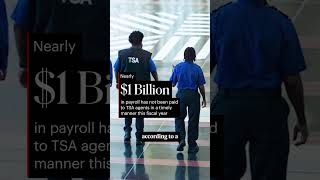
Presently, air travelers face another busy weekend, with concerns looming over whether TSA workers will receive timely pay. According to data from the Bureau of Transportation Statistics, passenger numbers have surged by 30% compared to the previous year. This increase in travel demands efficient security screening processes, which are jeopardized by potential pay delays.
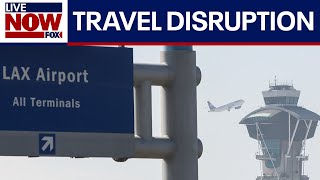
Industry sources indicate that while the Department of Homeland Security has assured minimal disruptions, the uncertainty is causing anxiety among TSA staff. Airports, particularly major hubs like Hartsfield-Jackson Atlanta International and Los Angeles International, are preparing for potential impacts on security checkpoint wait times.
Deep Analysis
The underlying causes of the TSA pay uncertainty are multifaceted. Budgetary constraints due to political stalemates in Congress often delay the approval of necessary funds for federal agencies, including TSA. In addition, the reliance on continuing resolutions (temporary funding measures) creates a precarious financial environment for government employees.
Stakeholder dynamics play a crucial role. While the federal government aims to maintain security standards, airline operators express concerns over potential delays affecting their schedules. Passengers, on the other hand, demand efficient and secure travel experiences.
Impact/Outlook
In the short term, the uncertainty surrounding TSA pay may lead to increased wait times and reduced staffing at security checkpoints. This, in turn, could affect airline schedules and passenger satisfaction. Long-term scenarios depend on resolving the funding issues, which may require legislative intervention to secure stable pay for TSA workers.
Experts from the Aviation Security Association suggest that sustainable solutions could involve revising the funding mechanism for the TSA, potentially through dedicated budget allocations that are less susceptible to political negotiations.
Practical Implications
For travelers, understanding the potential impacts of TSA pay issues is crucial. Passengers can take proactive steps such as arriving earlier at airports, enrolling in expedited screening programs like TSA PreCheck, and staying informed about real-time airport conditions via mobile apps.
Airlines are advised to enhance communication with passengers about potential delays and offer flexible rebooking options to mitigate the impact on travelers. Additionally, advocacy for policy changes that ensure reliable funding for TSA operations is essential for long-term stability.
Key Takeaways
- TSA pay uncertainty stems from federal budget constraints and political negotiations.
- Increased air travel heightens the need for efficient TSA operations.
- Potential impacts include longer wait times and reduced staffing at checkpoints.
- Legislative intervention may be necessary to secure stable TSA funding.
- Travelers should adopt proactive measures to navigate potential airport delays.
- Airlines and passengers must collaborate to ensure smooth travel experiences.
- Advocacy for policy changes can offer sustainable solutions for TSA funding.