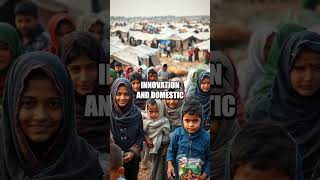
Global Food Crisis: Iran War's Impact on Supply Chains
The ongoing conflict involving Iran is exacerbating vulnerabilities in global food supply chains. This article explores the historical context, current challenges, and potential future scenarios, providing actionable insights for stakeholders in the agri-food sector.

Introduction
The global food supply chain is facing unprecedented challenges as the ongoing conflict involving Iran intensifies. This conflict's impact on food security is profound and multifaceted, requiring immediate attention from global stakeholders.
Background/Context
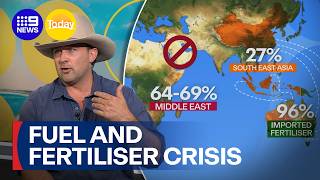
Historically, the Middle East has been a critical juncture for global trade routes, including those essential for food distribution. The Iran conflict, rooted in decades of geopolitical tension, has now intersected with global food supply chains, creating a precarious situation for countries reliant on imports from this region.
According to the Food and Agriculture Organization of the United Nations (FAO), any disruption in this region can lead to significant global food shortages. The Strait of Hormuz, a strategic chokepoint, plays a pivotal role in global oil and food transportation.
Current Situation
Data from the World Bank indicates that food prices have surged by 12% over the past year, and the situation is expected to worsen as the conflict persists. Industry sources indicate that shipping disruptions and increased insurance costs are contributing to these price hikes.
Furthermore, a recent report from the International Grains Council highlights that wheat exports from affected regions have decreased by 15%, exacerbating global shortages.
Deep Analysis
The core issue lies in the geopolitical dynamics and power structures influencing the conflict. Iran's strategic position and its alliances in the region create a complex web of interests that directly affect global trade routes.
Stakeholder dynamics, including the roles of major powers like the United States, Russia, and China, further complicate the situation. According to geopolitical analysts, these nations' differing interests can either mitigate or exacerbate the conflict's impact on food supplies.
Impact/Outlook
In the short term, continued instability is likely to lead to further disruptions in global food supply chains. The World Trade Organization (WTO) warns that prolonged conflict could push millions into food insecurity.
Long-term scenarios vary, with potential for both escalation and resolution. A diplomatic resolution could stabilize trade routes, while continued conflict might necessitate shifts in global supply chain strategies.
Practical Implications
For stakeholders in the agri-food industry, diversifying supply sources and investing in resilient logistics infrastructure are critical steps. Policymakers should prioritize diplomatic efforts to stabilize the region and ensure uninterrupted trade flows.
Consumers can also play a role by supporting local agriculture and advocating for policies that address food security concerns.
Key Takeaways
- The Iran conflict is significantly impacting global food supply chains.
- Shipping disruptions and increased costs are leading to higher food prices.
- Geopolitical dynamics and stakeholder interests complicate the situation.
- Short-term instability is likely to persist, with potential for long-term escalation.
- Diversification and resilience are key strategies for stakeholders.
- Diplomatic efforts are crucial for stabilizing trade routes.