SABIC's Role in the $10.2B Polyolefin Market Boom
SABIC, a leading player in the chemical industry, is at the forefront of the advanced-recycled polyolefin resins market, projected to reach USD 10.2 billion by 2036. This article explores the factors driving this growth, the challenges faced by the industry, and the role of major players like SABIC in shaping the future of sustainable materials.

Introduction
The global market for advanced-recycled polyolefin resins is set to hit USD 10.2 billion by 2036, driven by innovations and sustainable practices spearheaded by industry giants like SABIC. Understanding the dynamics of this market is crucial as it represents a shift towards more environmentally-friendly production processes.
Background/Context
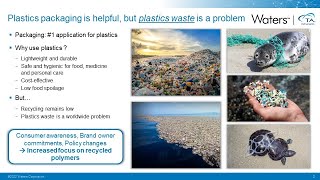
Polyolefins are a group of polymers derived from the polymerization of olefins such as ethylene and propylene. Historically, these materials have been used in a wide range of consumer and industrial applications due to their versatility and cost-effectiveness. However, traditional production processes have raised environmental concerns, leading to the emergence of advanced-recycled resins.
According to industry reports, the demand for sustainable materials has been steadily increasing over the past decade, prompting companies to invest in recycling technologies. SABIC, a leader in the chemical sector, has been at the forefront of this movement, utilizing advanced chemical recycling methods to produce high-quality polyolefins from post-consumer waste.
Current Situation
As of 2023, the advanced-recycled polyolefin resins market is experiencing significant growth, with major players like SABIC, Borealis, and ExxonMobil making substantial investments in research and development. Data from the Plastics Industry Association indicates a growing consumer preference for sustainable materials, which is expected to drive market demand.
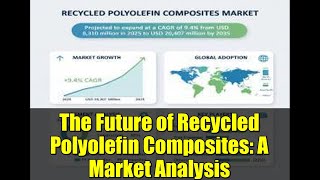
According to a recent report by MarketsandMarkets, the market is currently valued at approximately USD 4 billion, with projections indicating a CAGR of 6.5% over the next decade. SABIC's innovative recycling technologies have positioned it as a key contributor to these figures, as the company continues to expand its production capabilities worldwide.
Deep Analysis
The growth of the advanced-recycled polyolefin resins market is underpinned by several factors. Firstly, there is increasing regulatory pressure on manufacturers to adopt eco-friendly practices, particularly in Europe and North America. This has led to a surge in demand for recycled materials that can meet stringent environmental standards.
Furthermore, industry sources indicate that consumer awareness about the environmental impact of plastics is at an all-time high. Companies like SABIC are leveraging this trend by marketing their advanced-recycled resins as sustainable alternatives to traditional plastics, thus gaining a competitive edge.
However, challenges remain. The recycling process for polyolefins is complex and requires significant technological advancements to be economically viable. Additionally, the quality and performance of recycled materials must match that of virgin materials, which can be a barrier to widespread adoption.
Impact/Outlook
In the short term, the advanced-recycled polyolefin resins market is expected to grow steadily as companies continue to innovate and expand their recycling capabilities. SABIC's recent announcement of a new chemical recycling plant in the Netherlands is a testament to its commitment to this market.
Long-term projections suggest that as recycling technologies improve and regulatory pressures increase, the market could potentially exceed current growth estimates. This would not only benefit major players like SABIC but also contribute to global sustainability goals by reducing plastic waste and carbon emissions.
Practical Implications
For businesses operating in the polyolefin market, adopting advanced recycling technologies is becoming increasingly critical. Companies should consider investing in research and development to improve the quality and efficiency of their recycling processes.
Consumers, on the other hand, can support this movement by opting for products made from recycled materials and advocating for sustainable practices. By doing so, they contribute to the demand for eco-friendly products, encouraging more companies to adopt sustainable practices.
Key Takeaways
- The advanced-recycled polyolefin resins market is projected to reach USD 10.2 billion by 2036.
- SABIC is a leading player driving innovation in recycling technologies.
- Regulatory pressures and consumer demand are key drivers of market growth.
- Technological advancements are needed to overcome the challenges of recycling polyolefins.
- Investments in sustainable practices can provide a competitive edge for businesses.
- Supporting recycled products helps drive the market towards sustainability.