Brightline Train: Transforming US Short Haul Flights
The Brightline train project promises to transform short-haul travel in the US, particularly with its Las Vegas route. Explore its potential impact on aviation, economic growth, and passenger experience.
Introduction
The Brightline train project is poised to revolutionize short-haul travel across the United States, with its new Las Vegas route drawing significant attention. This development matters now as it could redefine regional transportation dynamics and impact the aviation industry.
Background and Context
Historically, the United States has heavily relied on air travel for regional connectivity, with short-haul flights being a default choice for many travelers. However, the burgeoning demand for sustainable transportation solutions and the inefficiencies of short-haul flights have catalyzed the exploration of alternative modes of transportation.
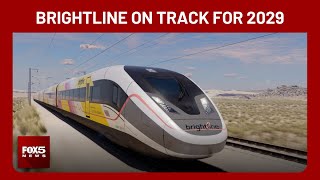
Brightline, a private intercity rail line, began operations in Florida in 2018, aiming to fill the gap between driving and flying for distances ranging from 200 to 300 miles. The success of its Miami to West Palm Beach route prompted expansion plans, with Las Vegas being a key target. Industry sources indicate that the Las Vegas route, planned to connect Southern California and Las Vegas, is expected to relieve congestion on one of the busiest travel corridors in the country.
Current Situation
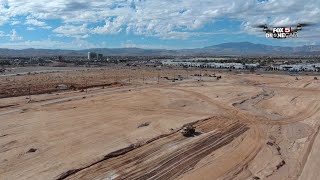
As of now, Brightline's Las Vegas project is progressing with construction milestones being achieved. According to recent reports, the train service will run along a 260-mile track between Las Vegas and the Los Angeles area, offering a high-speed alternative to the frequently congested I-15 freeway.
Data from the Federal Railroad Administration suggests that the project, once operational, is anticipated to transport approximately 12 million passengers annually. This potential shift from air to rail is being closely monitored by stakeholders in both the rail and aviation industries.
Deep Analysis
The underlying causes driving the Brightline project include the growing demand for sustainable travel options and the need to reduce carbon emissions from short-haul flights, which are known to be less efficient than longer routes. Stakeholder dynamics reveal that while environmental advocates support the shift to rail, airline companies may face challenges adapting to the changing landscape.
Power structures within the transportation industry are also being reshaped, as private rail companies like Brightline gain influence. The project's success hinges on collaboration between federal, state, and private entities to address regulatory, financial, and operational hurdles.
Impact and Outlook
In the short term, the Brightline project is expected to create thousands of jobs during the construction phase and stimulate economic growth in the regions it serves. In the long term, it may set a precedent for similar projects across the country, potentially leading to a more balanced transportation ecosystem.
Evidence-based projections suggest that if successful, the Brightline model could be replicated in other high-demand corridors, reducing dependence on short-haul flights and contributing to broader environmental goals.
Practical Implications
For travelers, the introduction of Brightline's Las Vegas route offers a convenient and potentially faster alternative to flying or driving, particularly during peak travel seasons. Passengers can expect modern amenities and a seamless travel experience that could redefine regional travel expectations.
For policymakers and industry leaders, the project underscores the importance of investing in diversified transportation infrastructure to meet future mobility needs and environmental targets.
Key Takeaways
- Brightline's Las Vegas route is set to transform short-haul travel in the US by offering a high-speed rail alternative.
- The project reflects a broader trend towards sustainable transportation solutions.
- Once operational, the route could transport up to 12 million passengers annually, significantly impacting the aviation sector.
- The success of Brightline could pave the way for similar projects nationwide, reducing carbon emissions from short-haul flights.
- Stakeholders include environmental advocates, rail companies, and policymakers, each influencing the project's trajectory.
- Travelers can look forward to a modern travel experience with reduced congestion and travel time.
- Policymakers are encouraged to consider diversified infrastructure investments to support regional mobility.