Iran Conflict's Impact on Global Markets
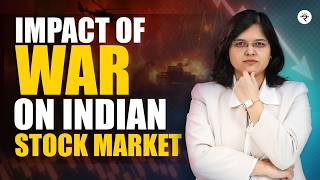
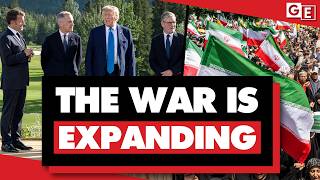
The ongoing Iran conflict is causing significant volatility in emerging markets and reshaping investment strategies globally. As military tensions rise, investors must navigate a complex landscape influenced by geopolitical instability and economic uncertainty.
Introduction: Conflict's Ripple Effect on Global Markets
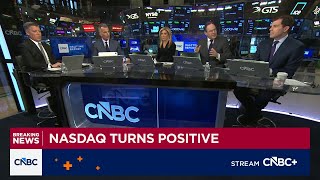
The escalating conflict involving Iran is creating ripples across global financial markets, impacting investor sentiments and economic stability worldwide. This article explores how these geopolitical tensions are influencing economic trends and investment strategies.
Background/Context: Historical Tensions and Market Reactions
Geopolitical tensions between Iran and Western nations have a long history, significantly impacting global markets. Past conflicts, such as the Iran-Iraq War and various sanctions, have repeatedly demonstrated the interconnectedness of political instability and economic volatility.
For instance, during the 1979 Iranian Revolution and subsequent US hostage crisis, oil prices soared due to fears of supply disruptions, leading to global financial turmoil. These historical precedents provide a framework for understanding current market reactions.
Current Situation: Emerging Market Volatility
According to Bloomberg, the current conflict has led to a rout in emerging markets, with investors pulling back from Eastern European assets, while stock markets in South Africa and Saudi Arabia are experiencing fluctuations. This volatility is driven by concerns over regional stability and potential disruptions in global trade routes.
South Africa's Johannesburg Stock Exchange saw a 2% drop in early trading this week, as reported by Reuters, highlighting the immediate impact of geopolitical tensions on investor confidence.
Deep Analysis: Geopolitical and Economic Dynamics
The underlying cause of market instability lies in the geopolitical dynamics between Iran and Western powers. Iran's strategic position in the Middle East, alongside its oil production capabilities, makes it a critical player in global energy markets. Any military escalation threatens not only oil supply chains but also broader economic stability.
Experts from the International Energy Agency (IEA) suggest that prolonged conflict could drive oil prices above $100 per barrel, exacerbating inflationary pressures worldwide. This scenario underscores the interconnected nature of geopolitics and global economics.
Impact/Outlook: Short- and Long-Term Projections
In the short term, market volatility is expected to persist as investors react to unfolding events. Analysts from Goldman Sachs predict that safe-haven assets like gold and the US dollar may see increased demand, while riskier assets could face downward pressure.
Long-term implications depend on the resolution of the conflict. A diplomatic resolution could stabilize markets, while prolonged tensions might lead to sustained economic uncertainty and reevaluation of investment strategies across emerging markets.
Practical Implications: Navigating Investment Strategies
Investors should consider diversifying their portfolios to mitigate risks associated with geopolitical instability. Allocating assets to sectors less sensitive to geopolitical shocks, such as technology or healthcare, may offer some protection against market volatility.
Additionally, staying informed about geopolitical developments and their potential economic impacts is crucial for making informed investment decisions during times of uncertainty.
Key Takeaways
- Current Iran conflict is causing volatility in emerging markets.
- Historical events highlight the link between geopolitical tensions and economic impact.
- Oil prices and energy markets are particularly sensitive to Middle Eastern conflicts.
- Short-term market volatility expected, with potential long-term economic instability.
- Diversification and informed decision-making are essential for investors.
So what should we do? Investors should closely monitor geopolitical developments, diversify their portfolios, and prioritize sectors less affected by political instability to navigate the current economic landscape effectively.