PepsiCo Earnings Soar Amid Strategic Price Cuts
PepsiCo's recent earnings report exceeded expectations as strategic price cuts on Doritos and Lay's contributed to robust sales. This article delves into the strategies behind PepsiCo's success, the impact of pricing on consumer behavior, and the company's future prospects in the competitive snack market.
Introduction
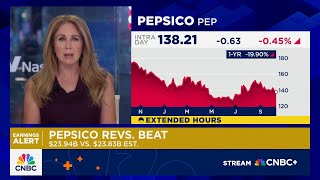
PepsiCo has reported earnings that beat market expectations, largely attributed to strategic price cuts on popular products like Doritos and Lay's. This development is significant as it highlights how pricing strategies can directly influence consumer behavior and company performance, especially in competitive markets.
Background/Context
The snack and beverage industry has been increasingly competitive, with major players like PepsiCo, Coca-Cola, and Mondelez International vying for market share. Historically, these companies have relied on a mix of branding, product innovation, and pricing strategies to maintain and grow their customer base.
According to industry reports, PepsiCo has consistently invested in understanding consumer preferences, leveraging data analytics to inform their product and pricing decisions. This strategic approach has enabled the company to adapt to changing market conditions and consumer tastes.
Current Situation
In its most recent earnings call, PepsiCo announced that its earnings per share and revenue figures exceeded analyst predictions, largely due to increased sales volume driven by price adjustments on key products. Specifically, the company implemented targeted price cuts on its Doritos and Lay's brands, which led to a noticeable uptick in consumer purchases.
Data from Nielsen indicates that snack consumption has risen as consumers seek affordable indulgence during economic uncertainty. PepsiCo's ability to align its pricing strategy with these consumer trends has been a key factor in its recent success.
Deep Analysis
PepsiCo's pricing strategy can be understood through the lens of price elasticity of demand, which measures how sensitive consumer demand is to changes in price. By strategically lowering prices on high-demand products, PepsiCo effectively increased the quantity demanded, thereby boosting sales volume and overall revenue.
Industry experts suggest that PepsiCo's approach may also involve a cross-subsidization strategy, where the profits from higher-margin products support the reduced margins on discounted items. This allows the company to maintain profitability while capturing a larger market share.
Impact/Outlook
In the short term, PepsiCo's strategic price cuts have successfully expanded its consumer base and increased sales volume. However, the long-term implications of this strategy will depend on several factors, including competitor responses, changes in consumer preferences, and broader economic conditions.
Market analysts predict that if PepsiCo continues to balance its pricing strategies with product innovation and marketing efforts, it could maintain its competitive edge and sustain growth. However, ongoing monitoring of market dynamics and consumer behavior will be crucial for adapting strategies as needed.
Practical Implications
For businesses looking to replicate PepsiCo's success, it is essential to invest in consumer insights and data analytics to inform pricing decisions. Additionally, companies should consider the broader market context, including competitive actions and economic conditions, when implementing pricing strategies.
Building a robust product portfolio that allows for cross-subsidization can also be a valuable tactic for maintaining profitability while offering competitive pricing to consumers.
Key Takeaways
- PepsiCo's earnings exceeded expectations due to strategic price cuts on Doritos and Lay's.
- Understanding consumer demand and price elasticity is crucial for effective pricing strategies.
- Cross-subsidization can help maintain profitability while offering competitive prices.
- Ongoing market analysis and consumer insights are vital for adapting pricing strategies.
- PepsiCo's approach underscores the importance of aligning pricing with consumer preferences.